
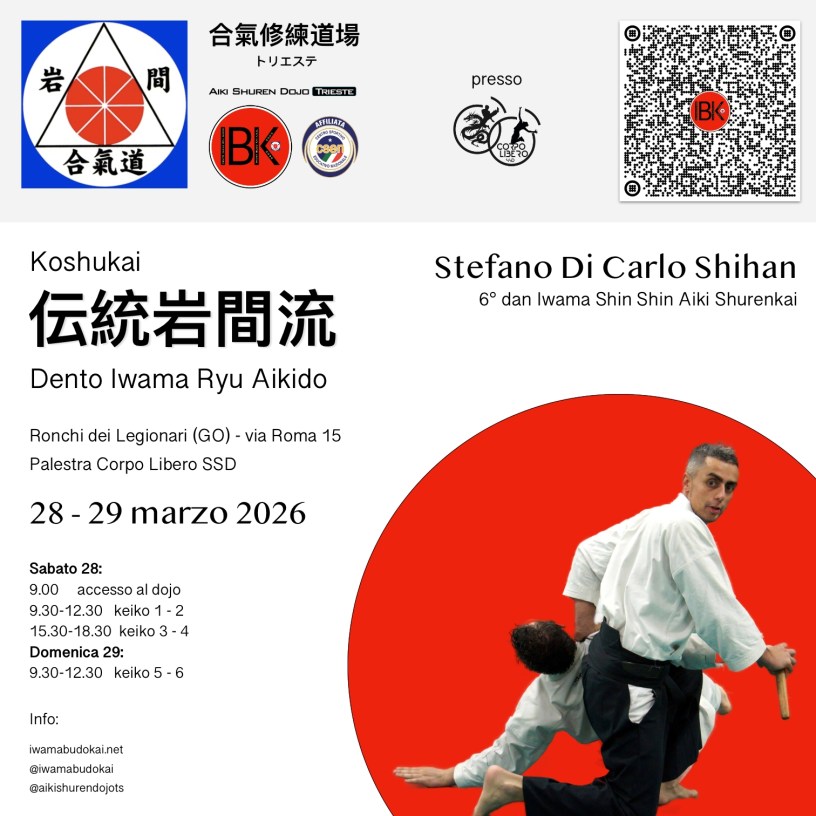
Stefano Di Carlo Shihan, 6th dan Iwama Shin Shin Aiki Shurenkai, a direct student of Saito Morihiro Shihan, of Saito Hitohira Jukucho and therefore of Saito Morihiro Nidaime Sensei, masterfully led a seminar on Traditional Aikido of the Iwama School – Dentō Iwama Ryū Aikidō at the main martial arts hall of Corpo Libero SSD in Ronchi dei Legionari (Italy) on Saturday, March 28 and Sunday, April 29, 2026.
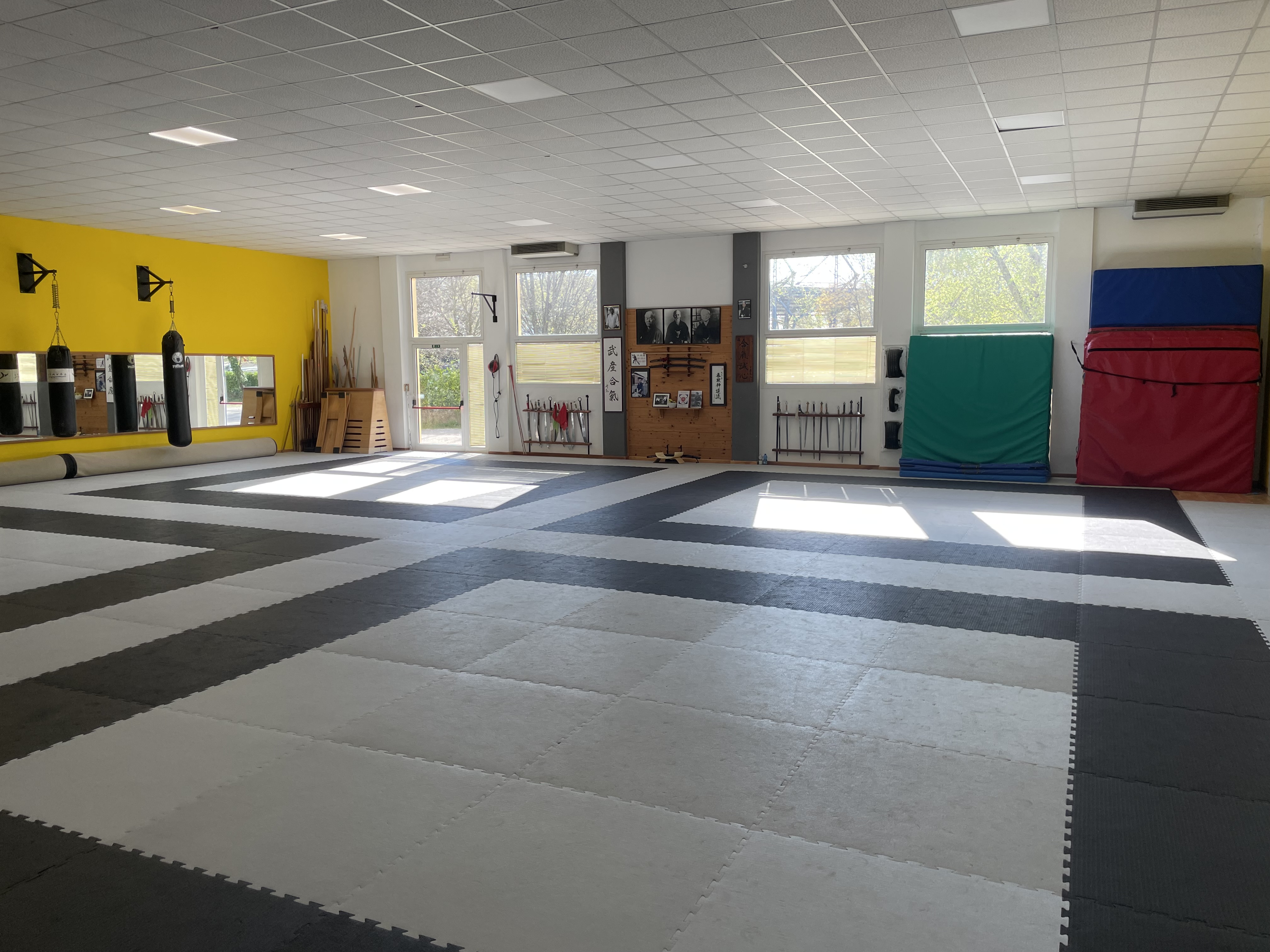
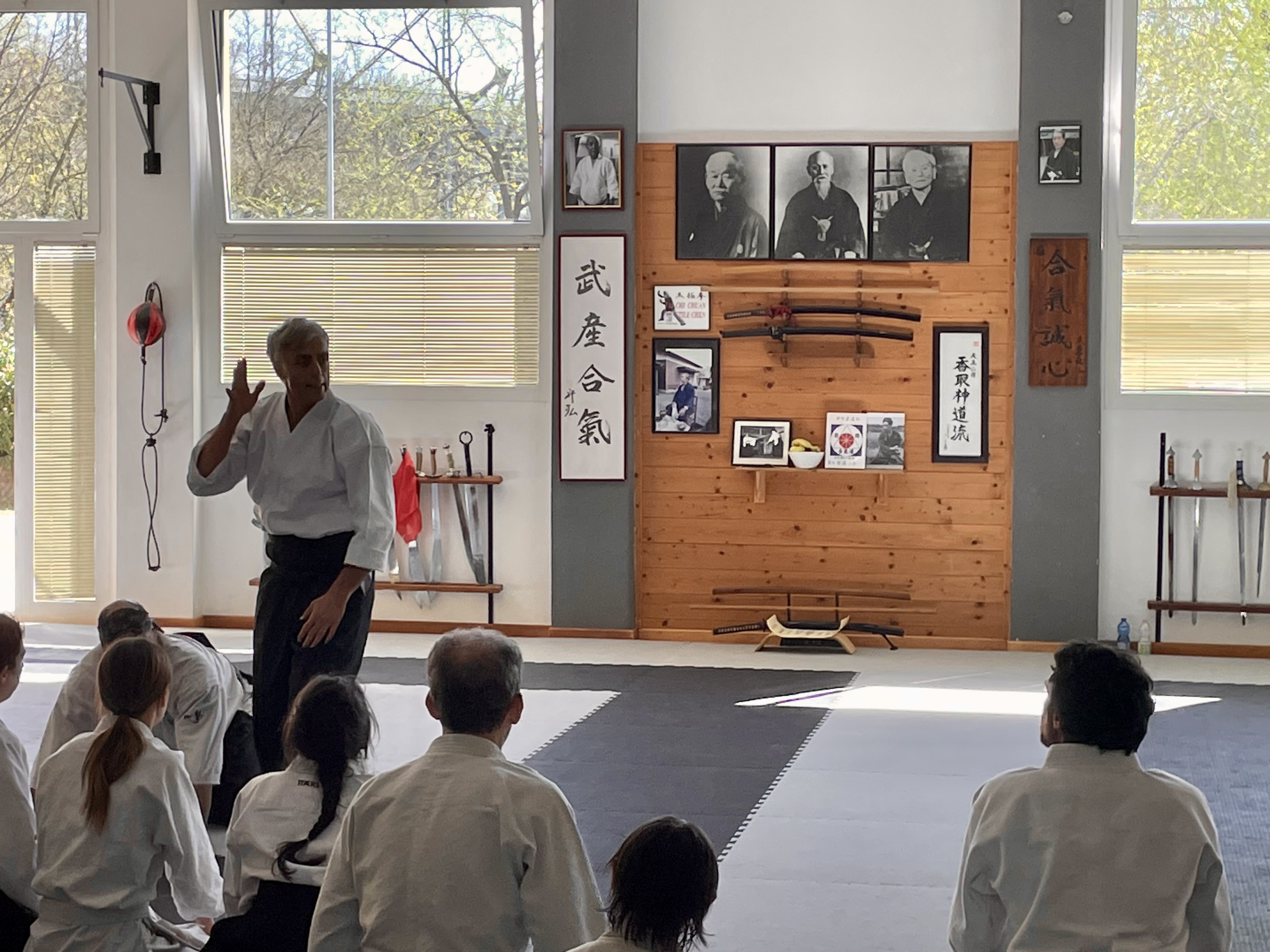
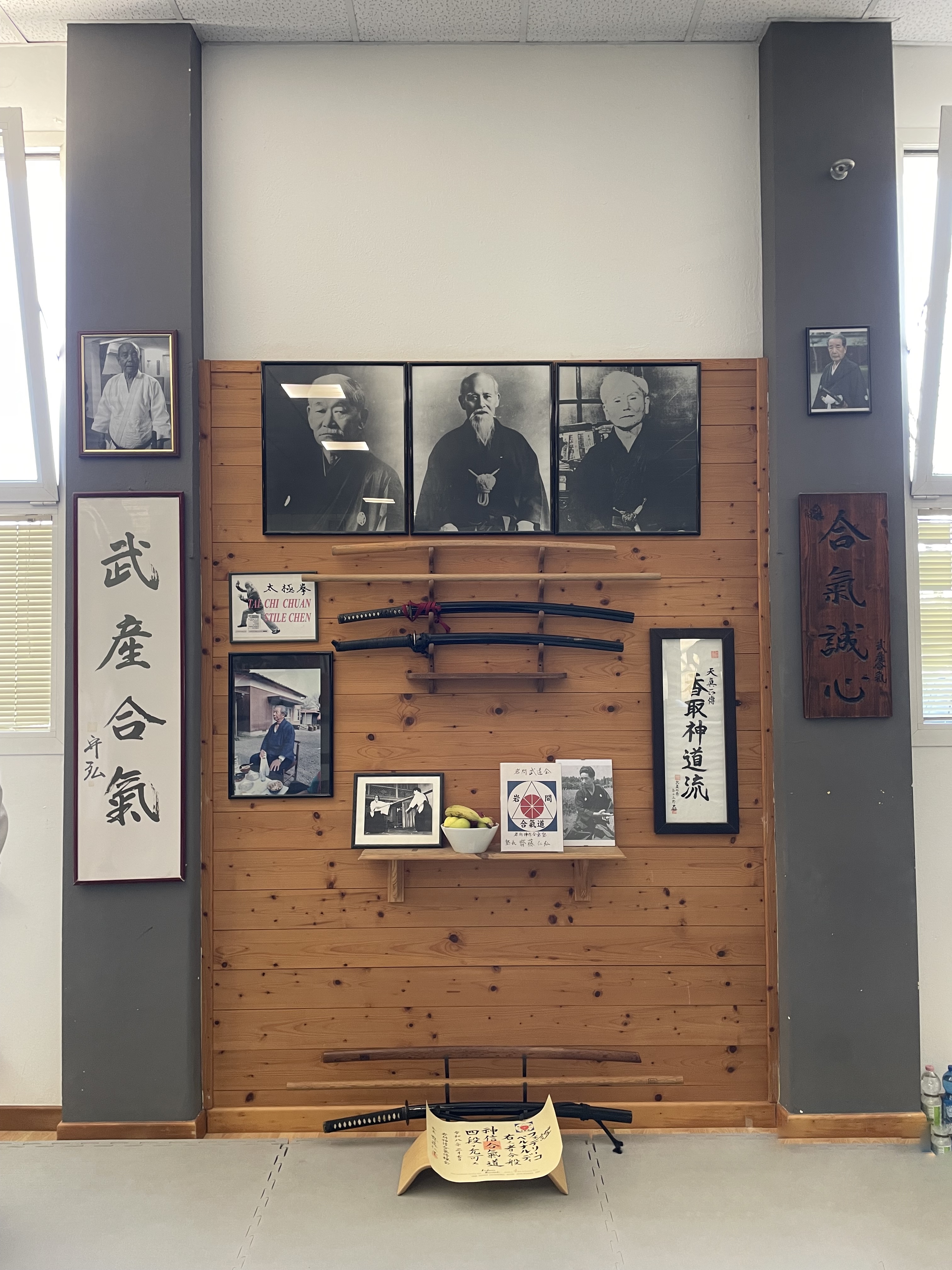
Organized by Iwama Budo Kai a.s.d. at the invitation of Enrico Neami, dojocho of Aiki Shuren Dōjō Trieste, the seminar was part of the “Grandi Eventi 2026” program of the Trieste-based association and saw the participation of well over forty practitioners from Bavaria, Piemonte, Emilia-Romagna, Campania, and Friuli Venezia Giulia, involving around ten dojos, most of which are affiliated with Iwama Shin Shin Aiki Shurenkai, the international organization for the study of Traditional Iwama Aikido led by Saito Hitohira Sensei.
As customary, the koshukai program alternated sessions of practice with traditional Aikido weapons and keiko (training sessions) without weapons. For the bukiwaza portion—i.e., weapons practice—the study focused on kumijo 6 and 7 (traditional codified paired forms for practicing techniques with the jo, the Aikido staff), tachidori disarming techniques (unarmed defense against a katana attack) on the attacker’s right side, and the 7 kentaijo (a codified study of defensive methods using the jo against a katana attack). For taijutsu—the unarmed combat techniques—the training covered ikkyo and sankyo (the first and third principles of control and immobilization), both omote and ura forms, followed by an in-depth study of various forms of kotegaeshi.
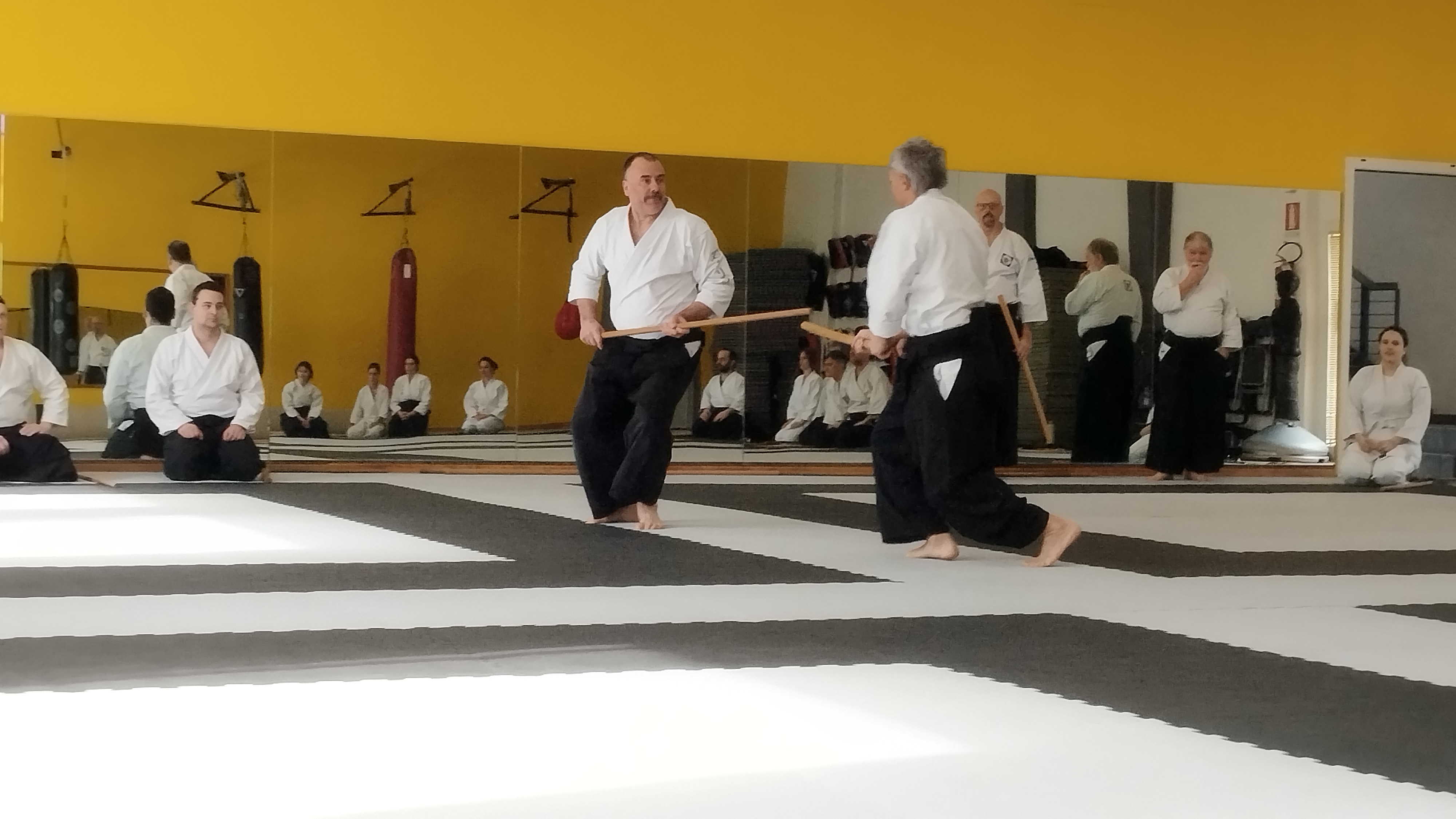
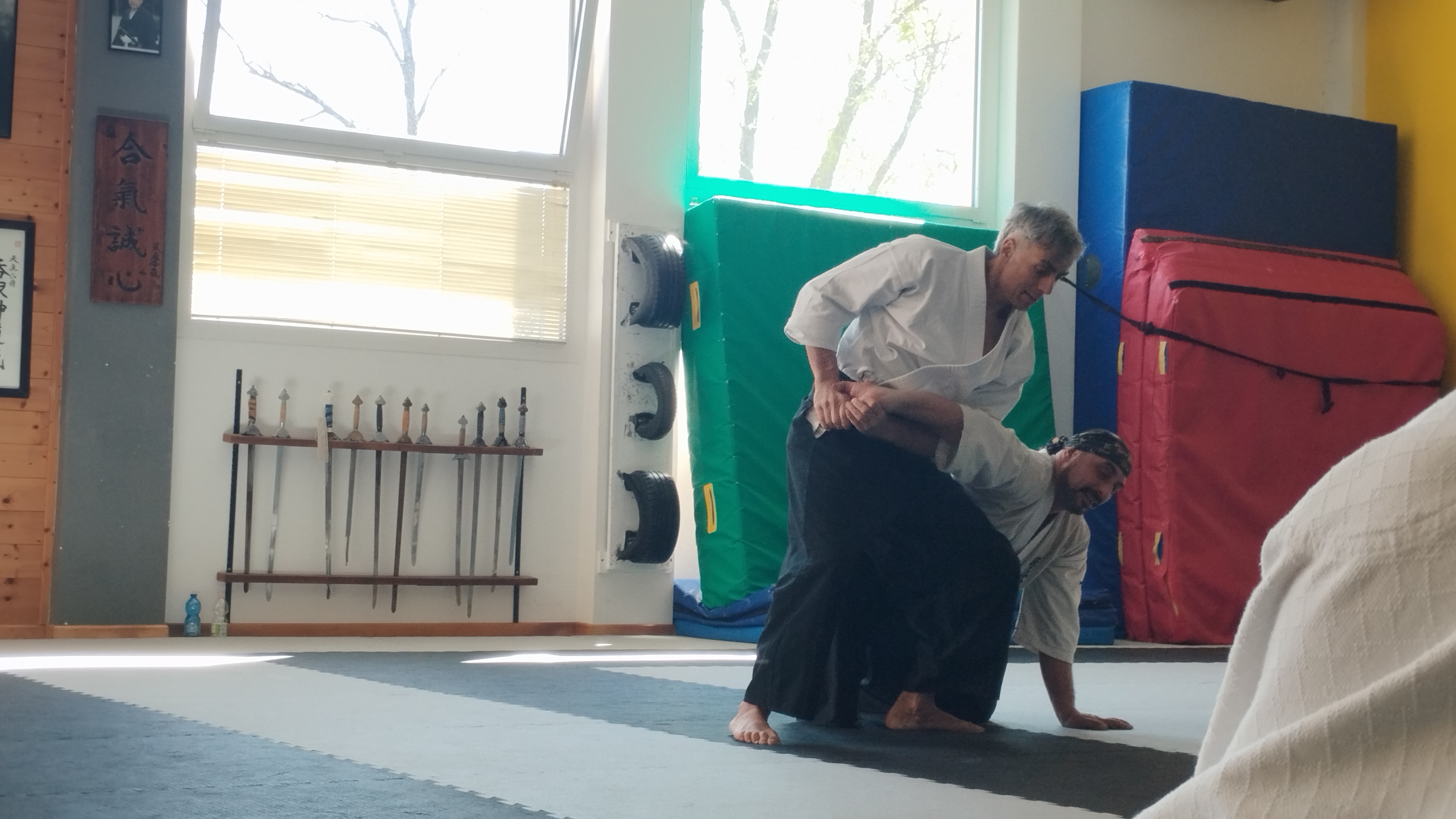
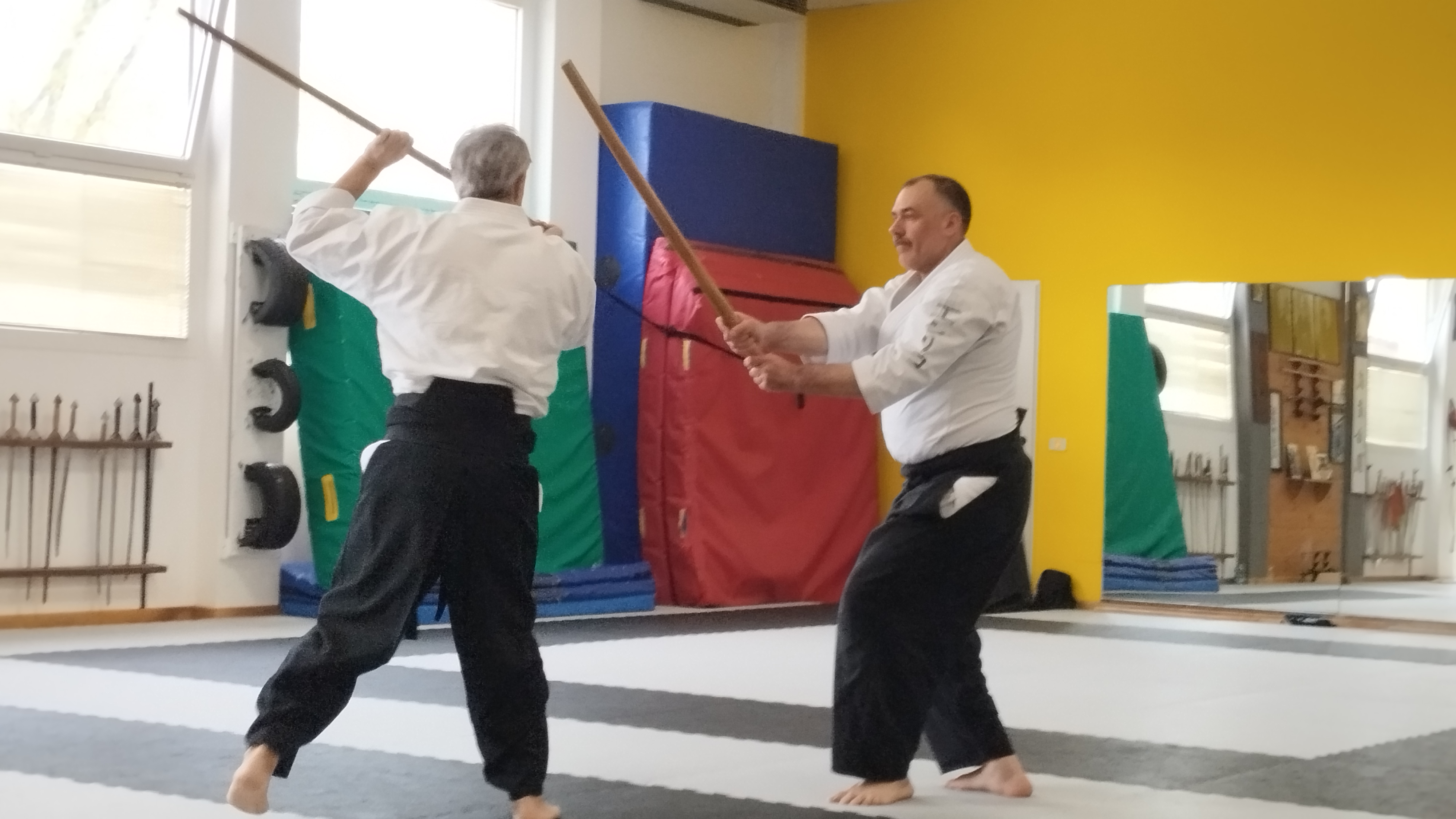
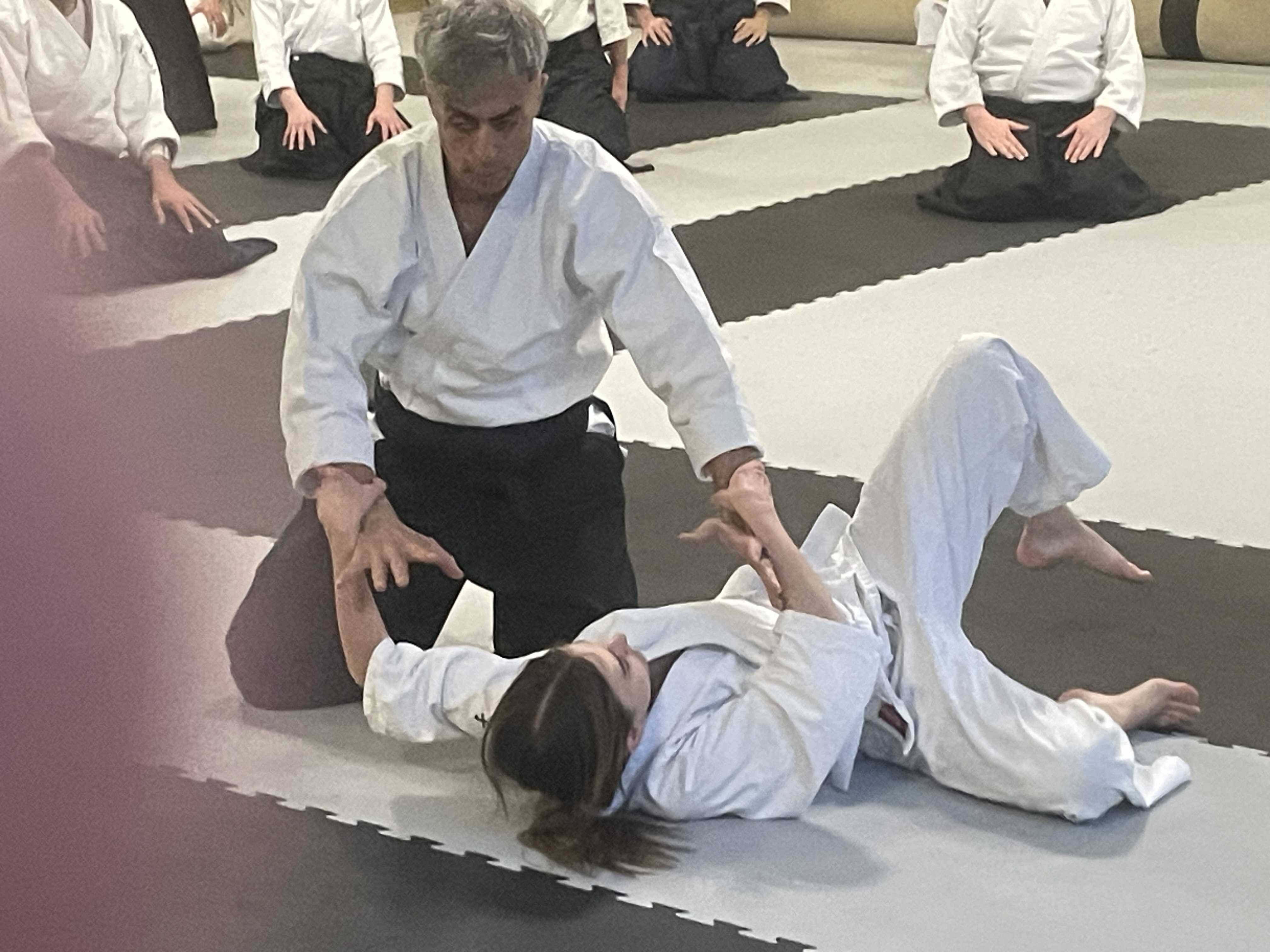
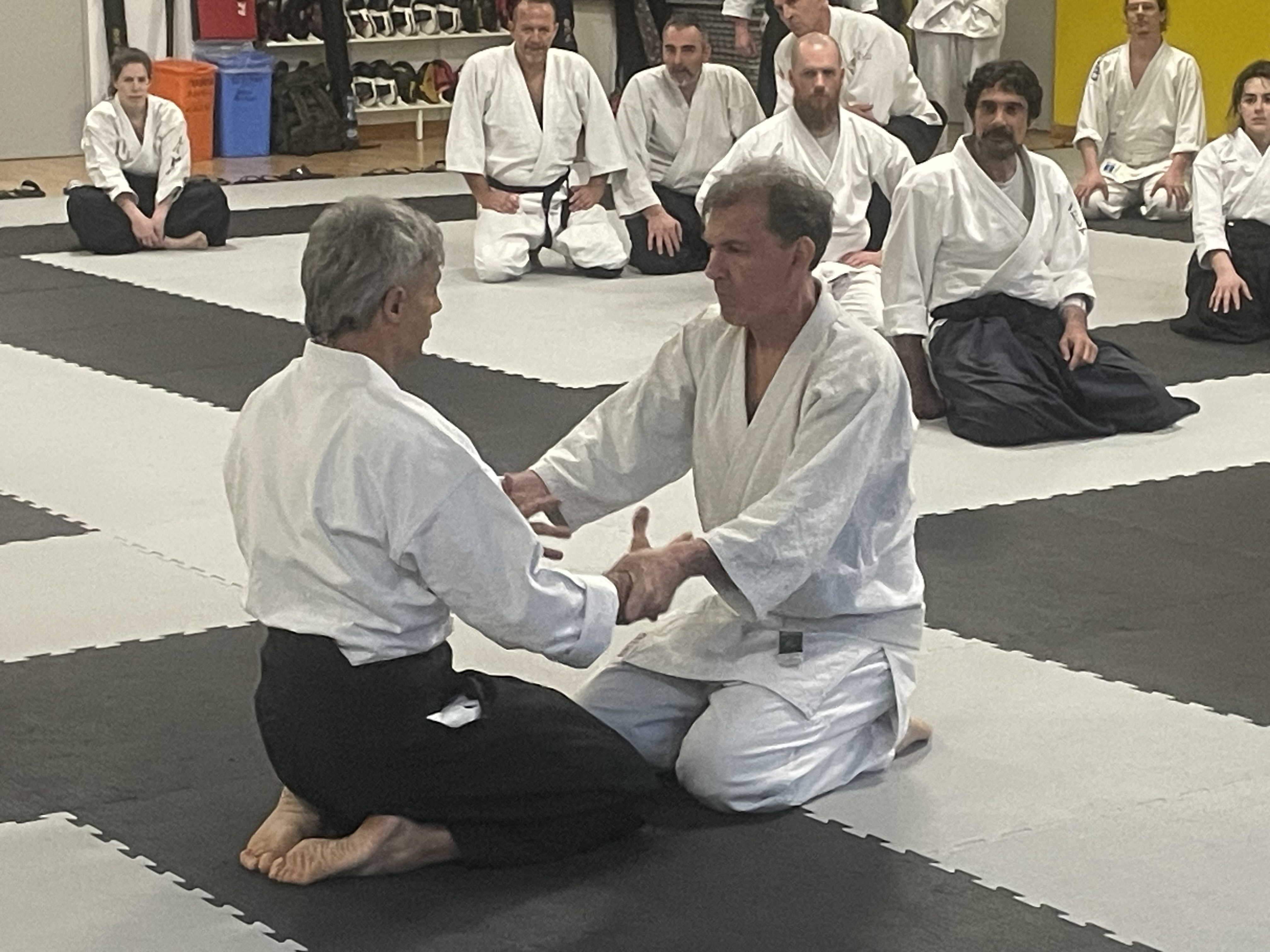
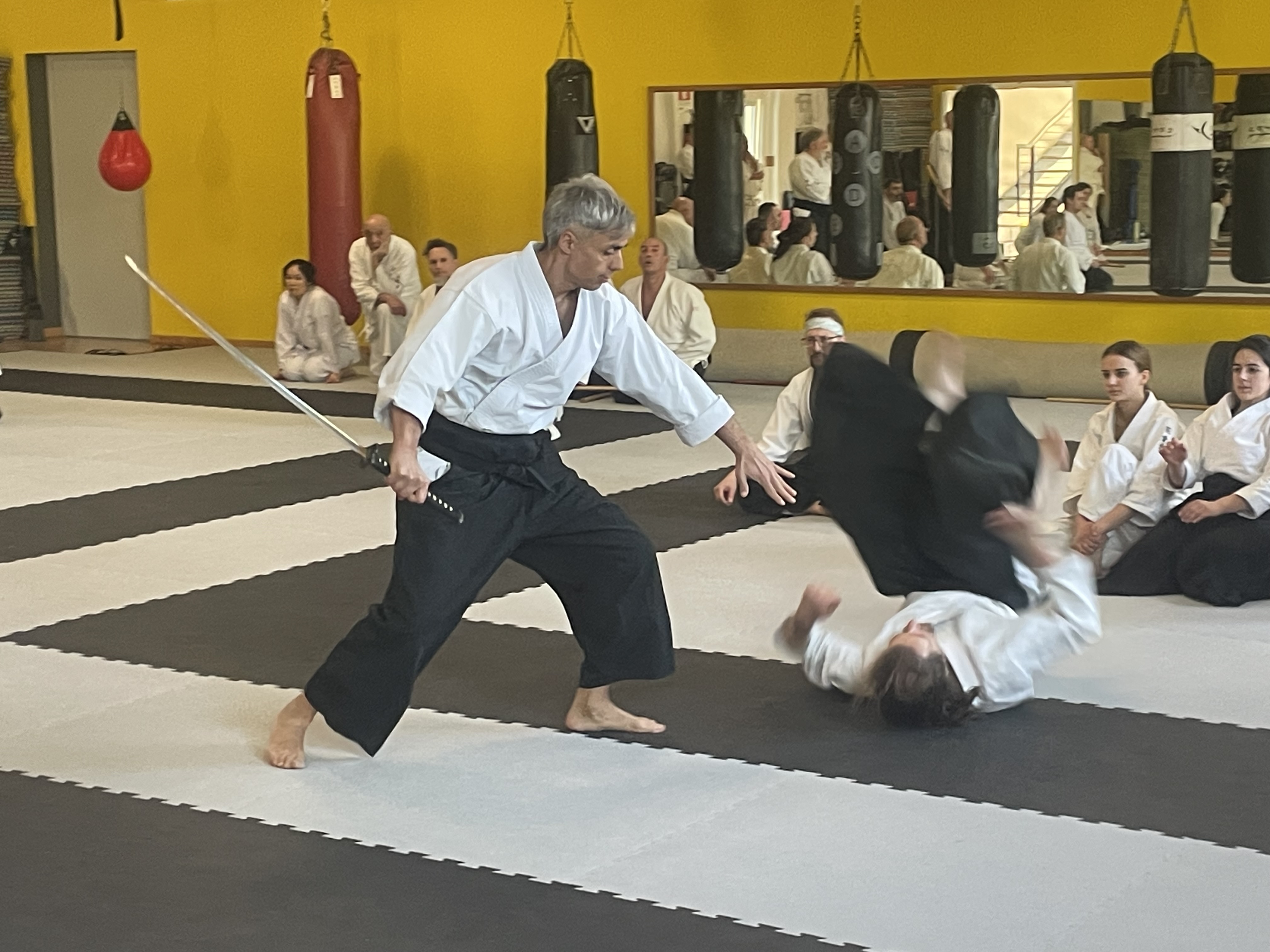
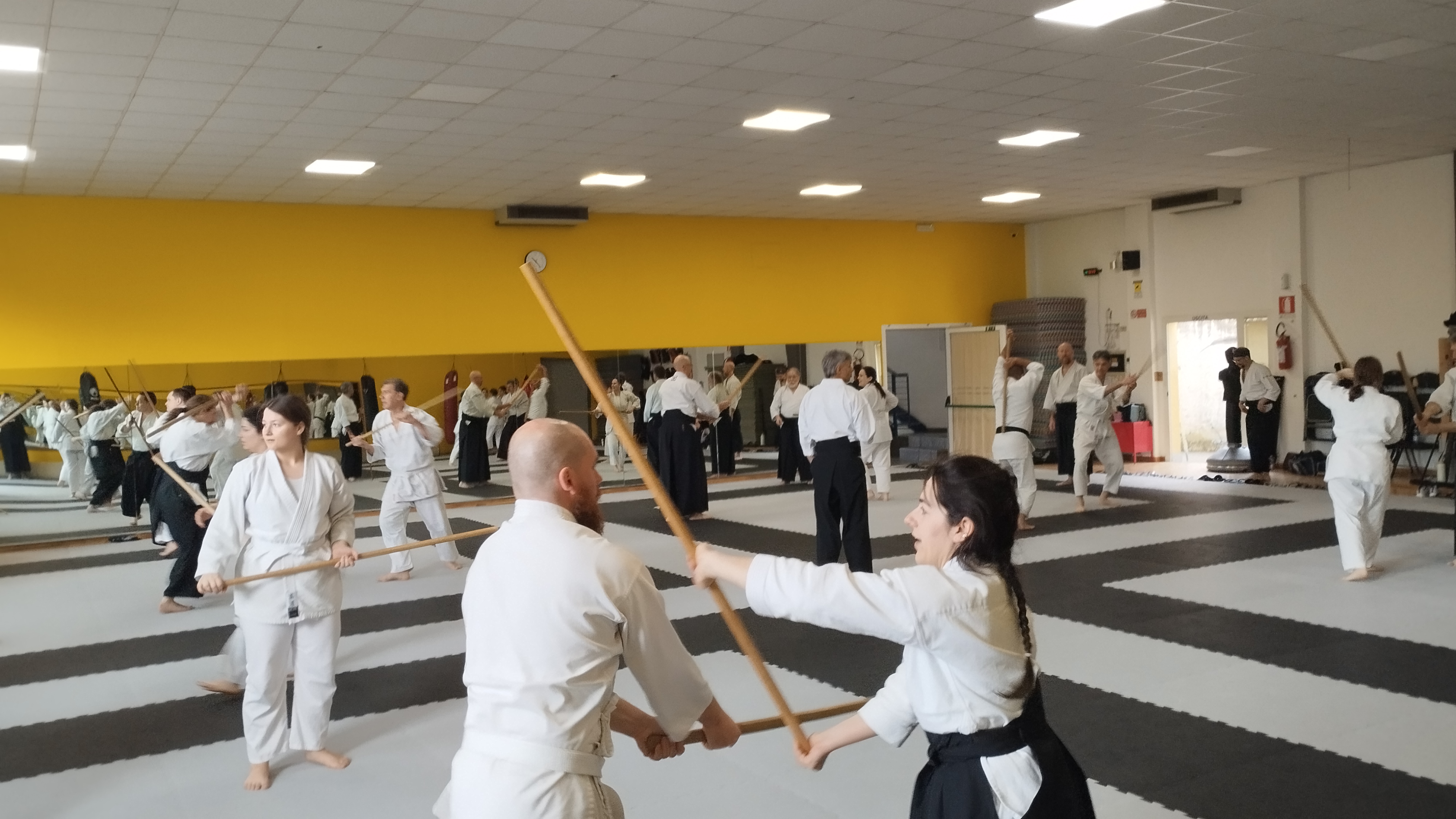
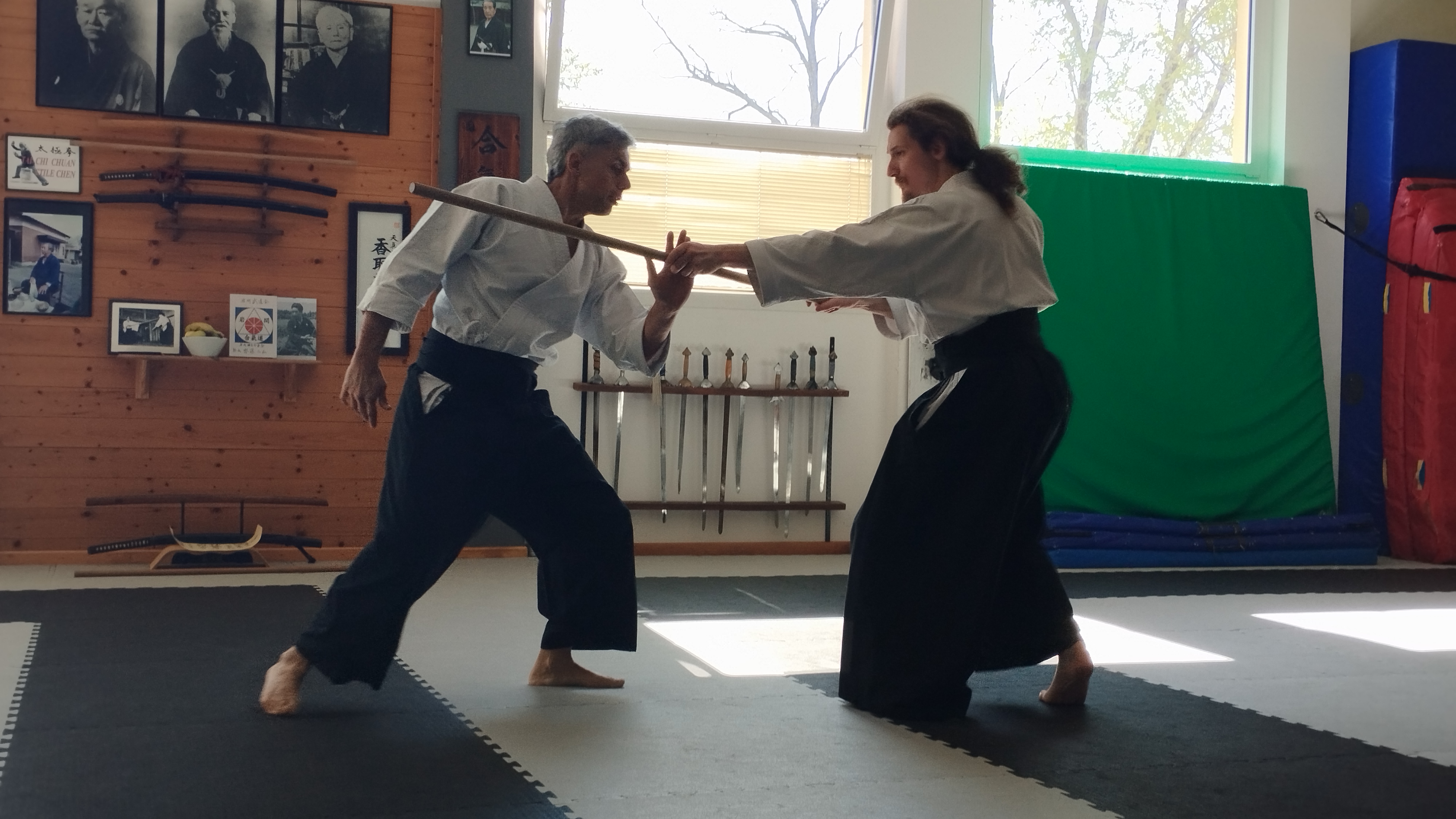
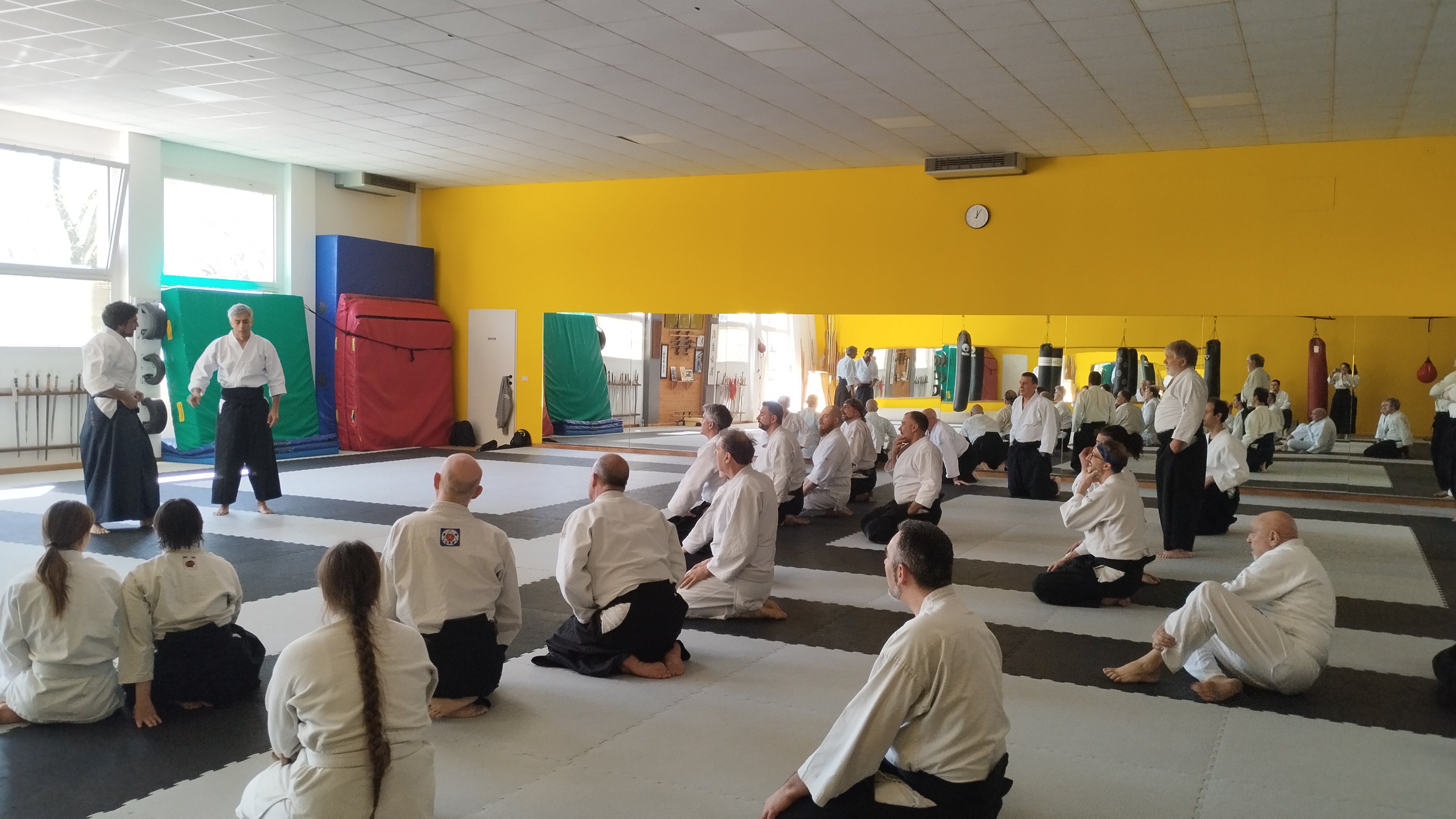
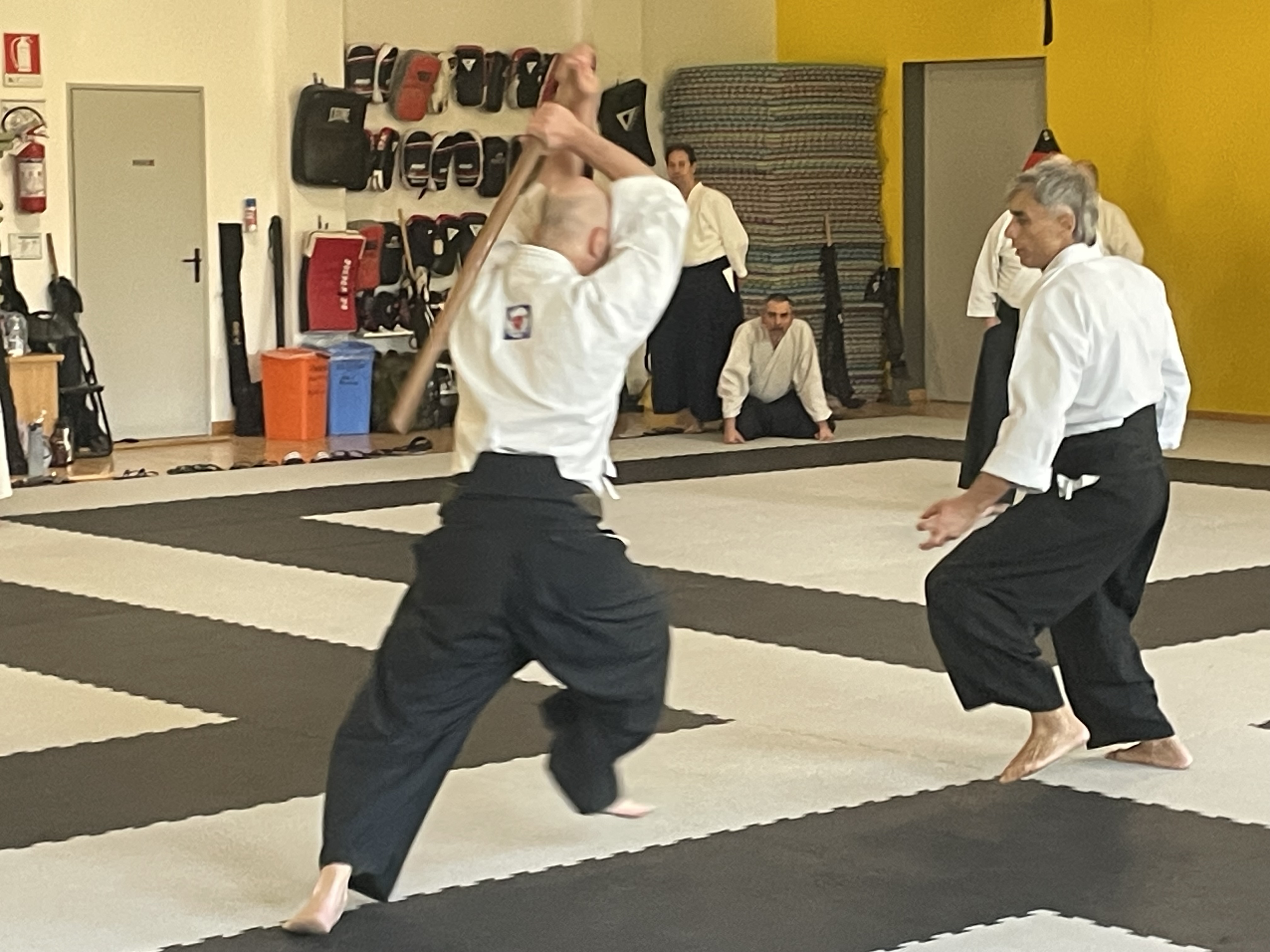
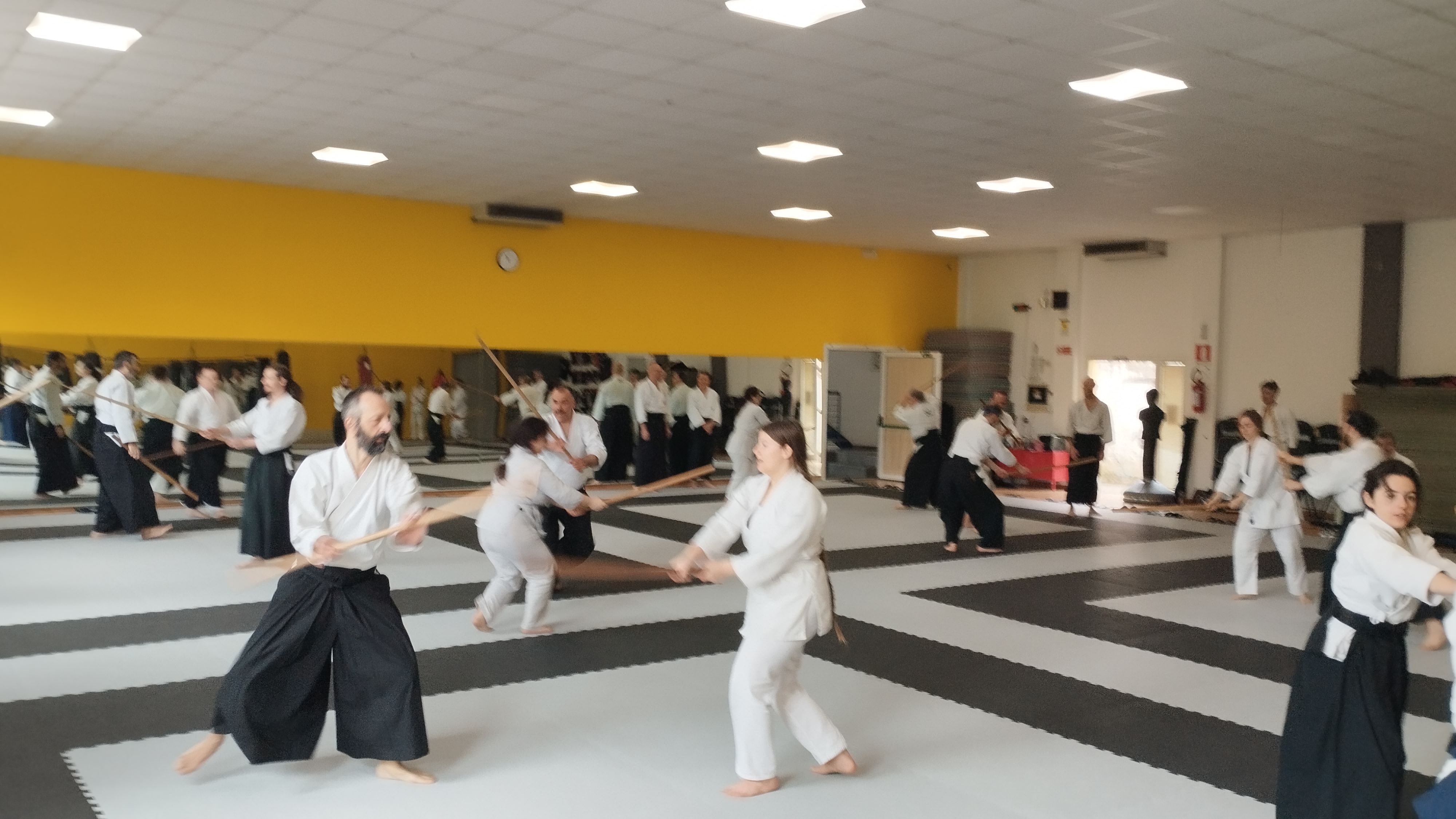
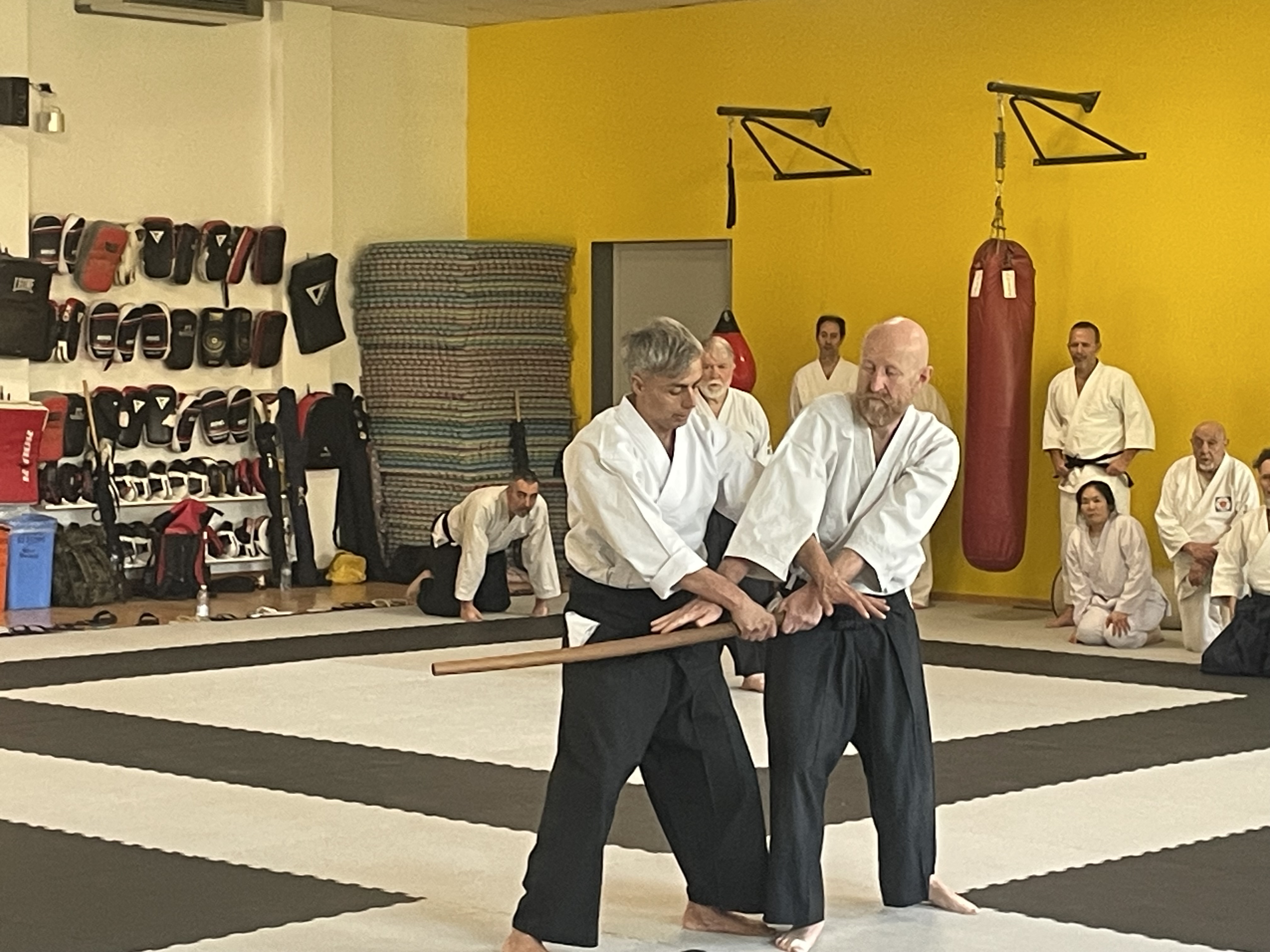
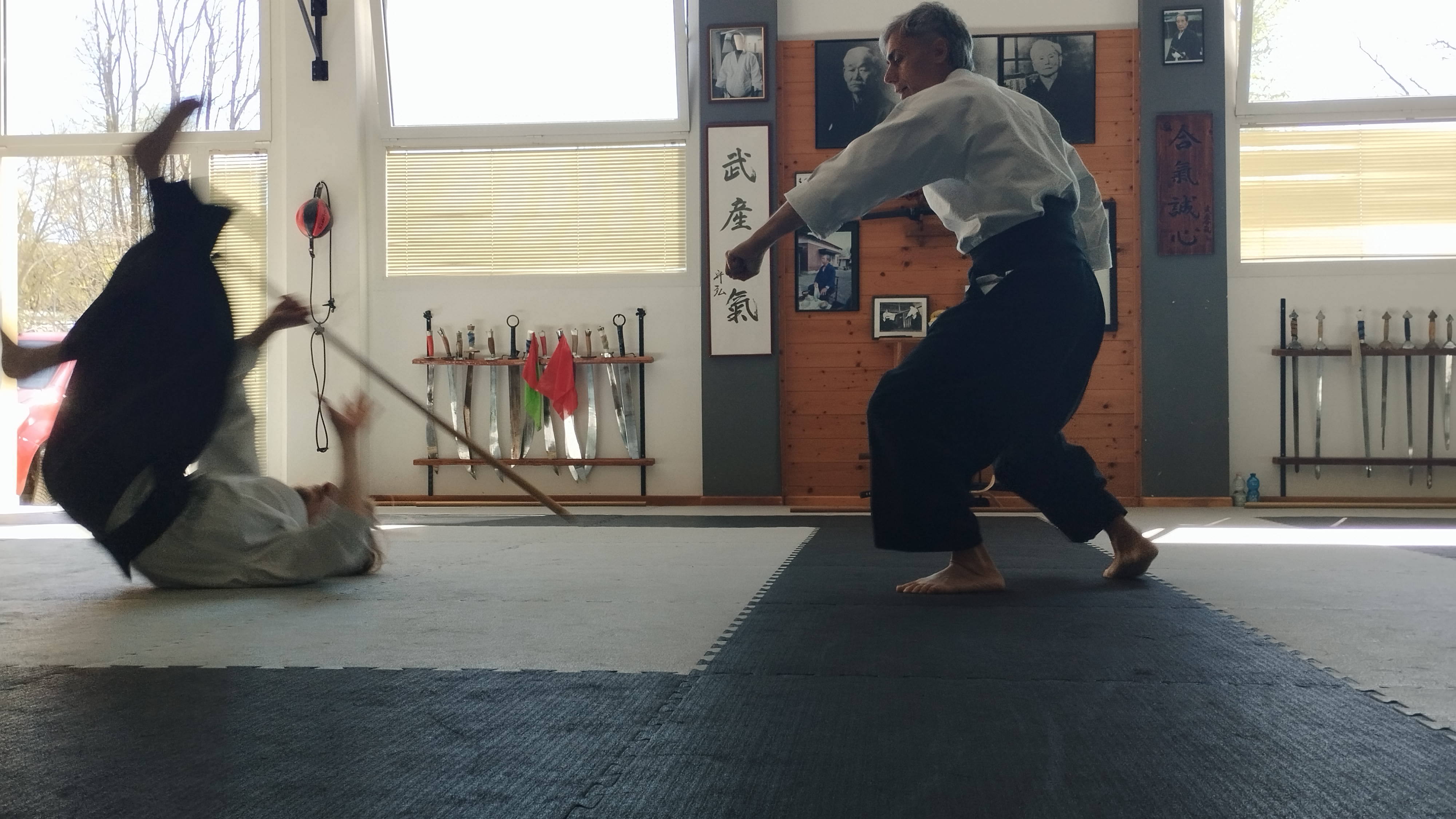
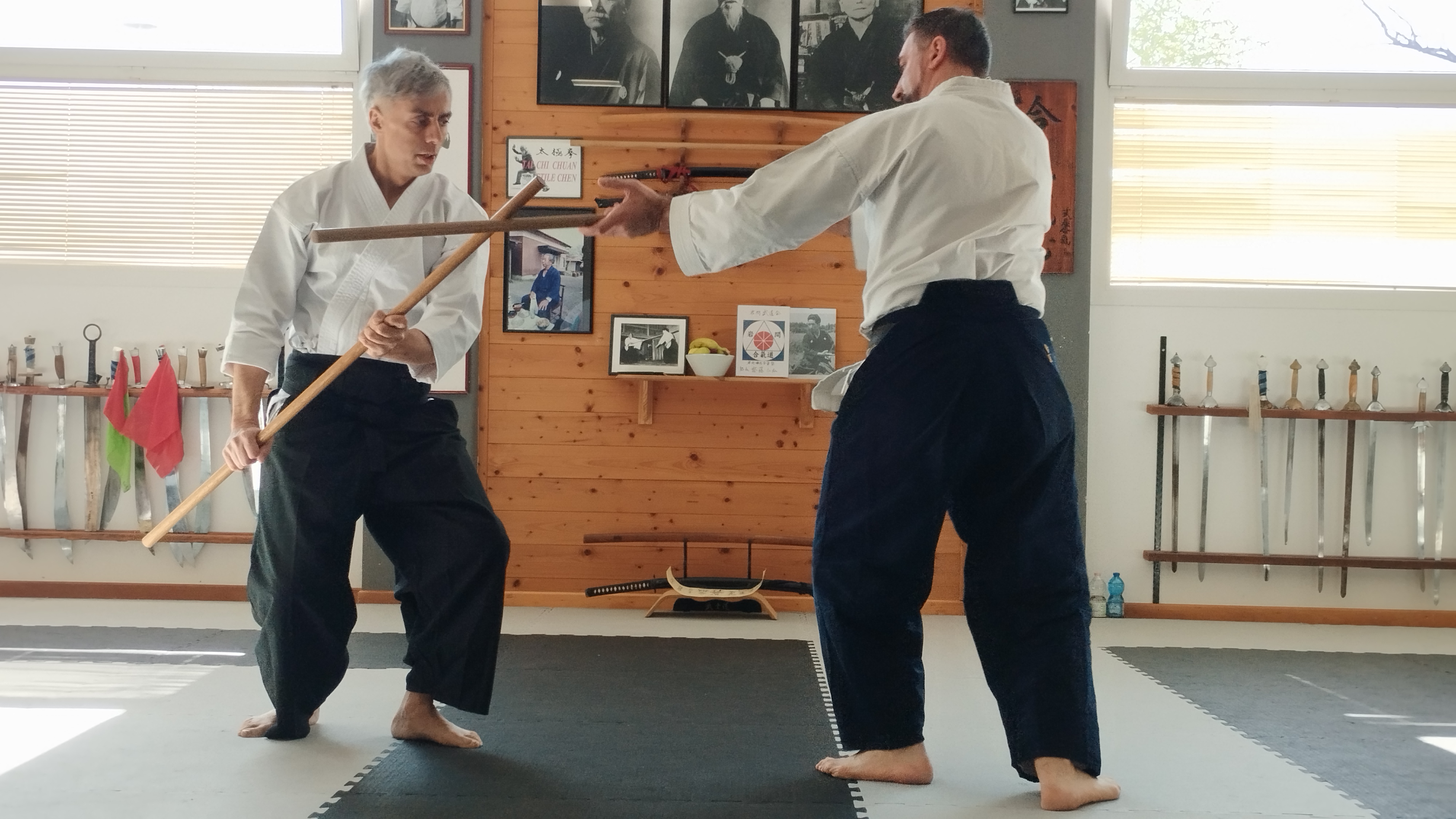
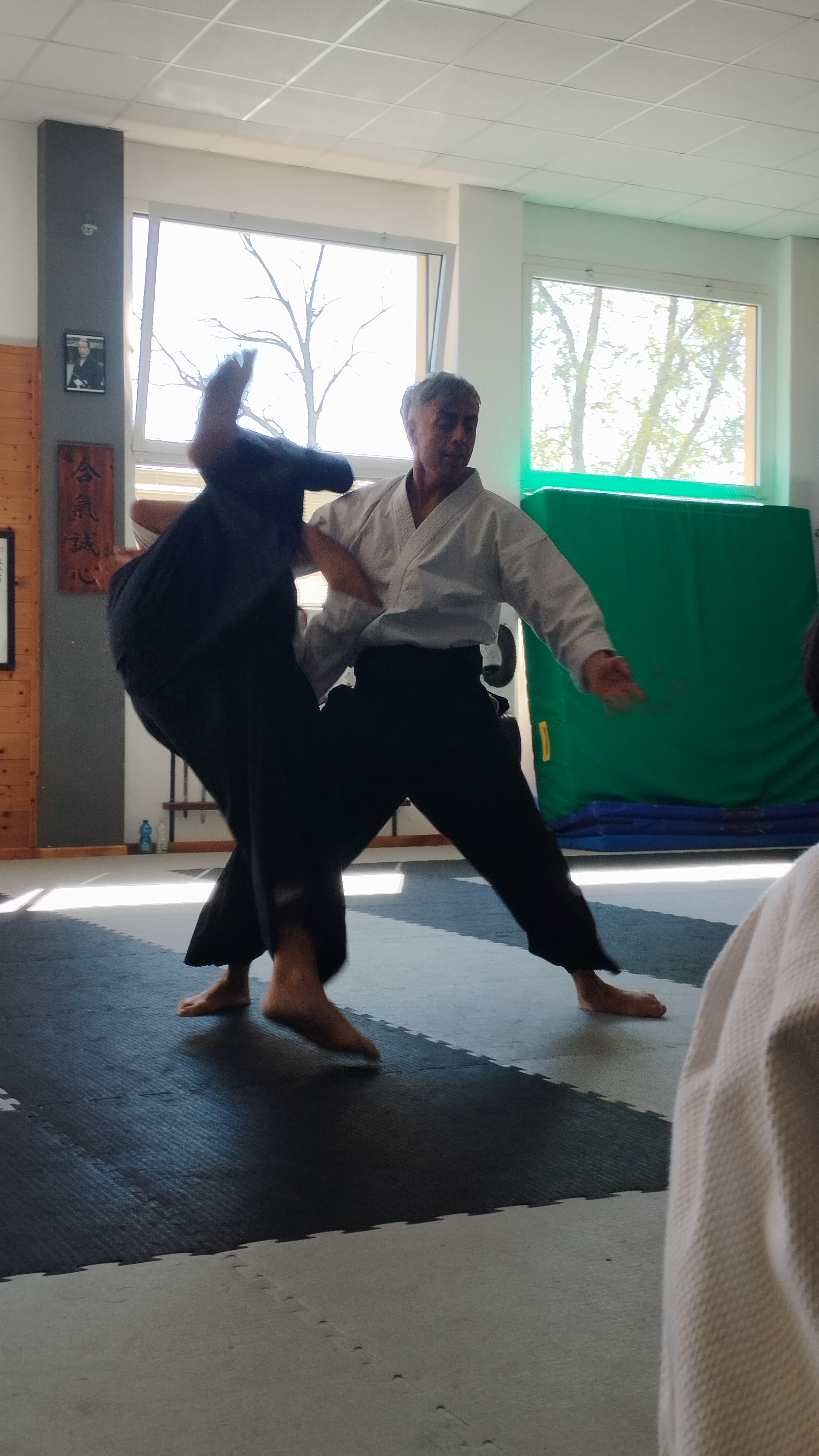
In addition to the technical details conveyed with expertise, clarity, and full adherence and consistency with the teachings of Saito Hitohira Sensei and Saito Morihiro Nidaime Sensei—a distinctive and constant feature of Di Carlo Shihan’s teaching, due to his long and uninterrupted training at the Iwama hombu dōjō since the days of the Ibaraki Dōjō and later the Tanrenkan Dōjō— Di Carlo Sensei also found the opportunity during the seminar to introduce important epistemological considerations on teaching methodology and, above all, on the evolution of the pedagogy of the Iwama method. He encouraged all participants to reflect on the context, development, and scope of the work carried out by Saito Morihiro Sensei in cataloguing, reorganizing, and rationalizing the technical legacy left to him by the Founder, Ueshiba Morihei, also in relation to the presumed changes in techniques over the years.
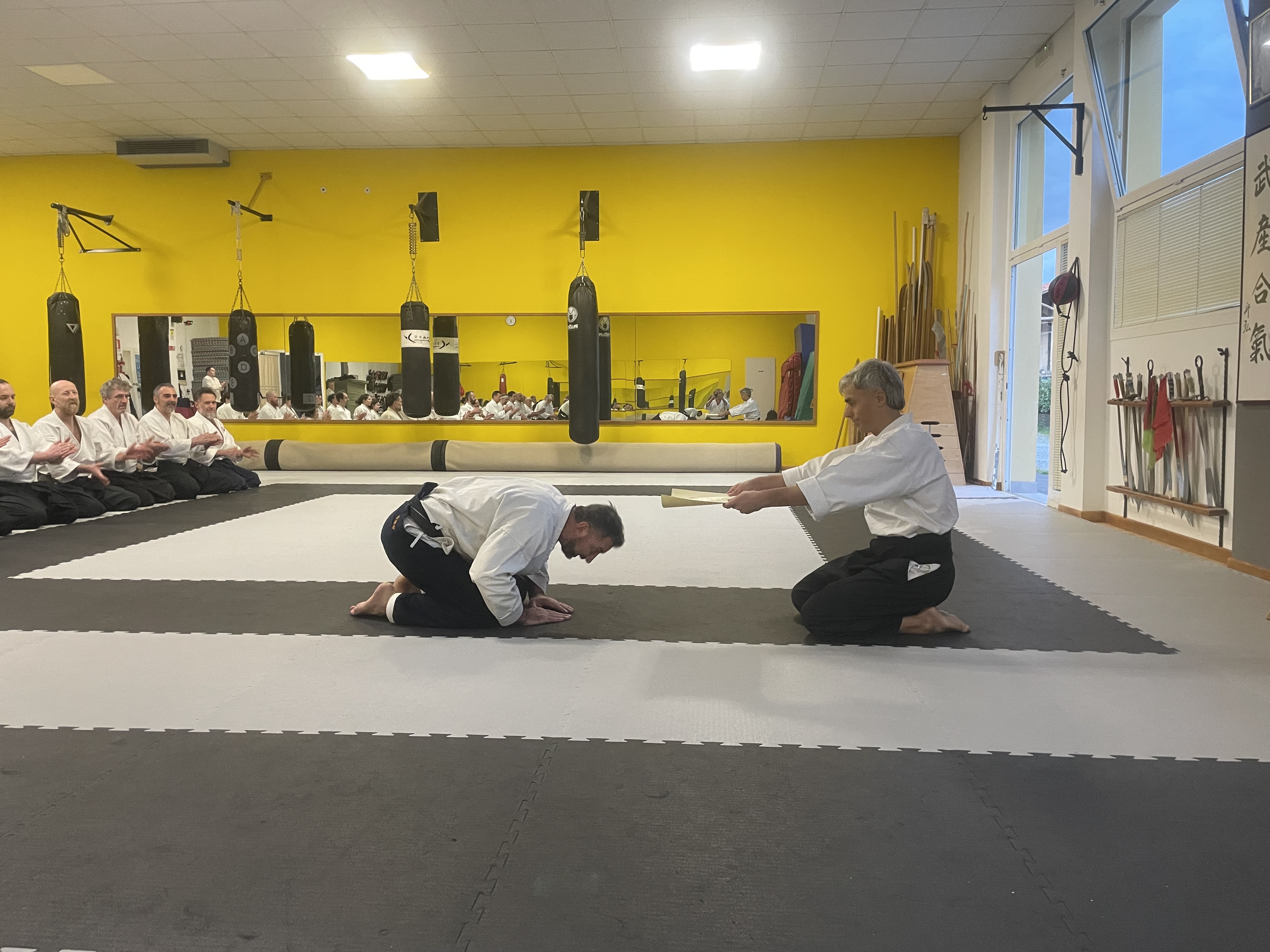
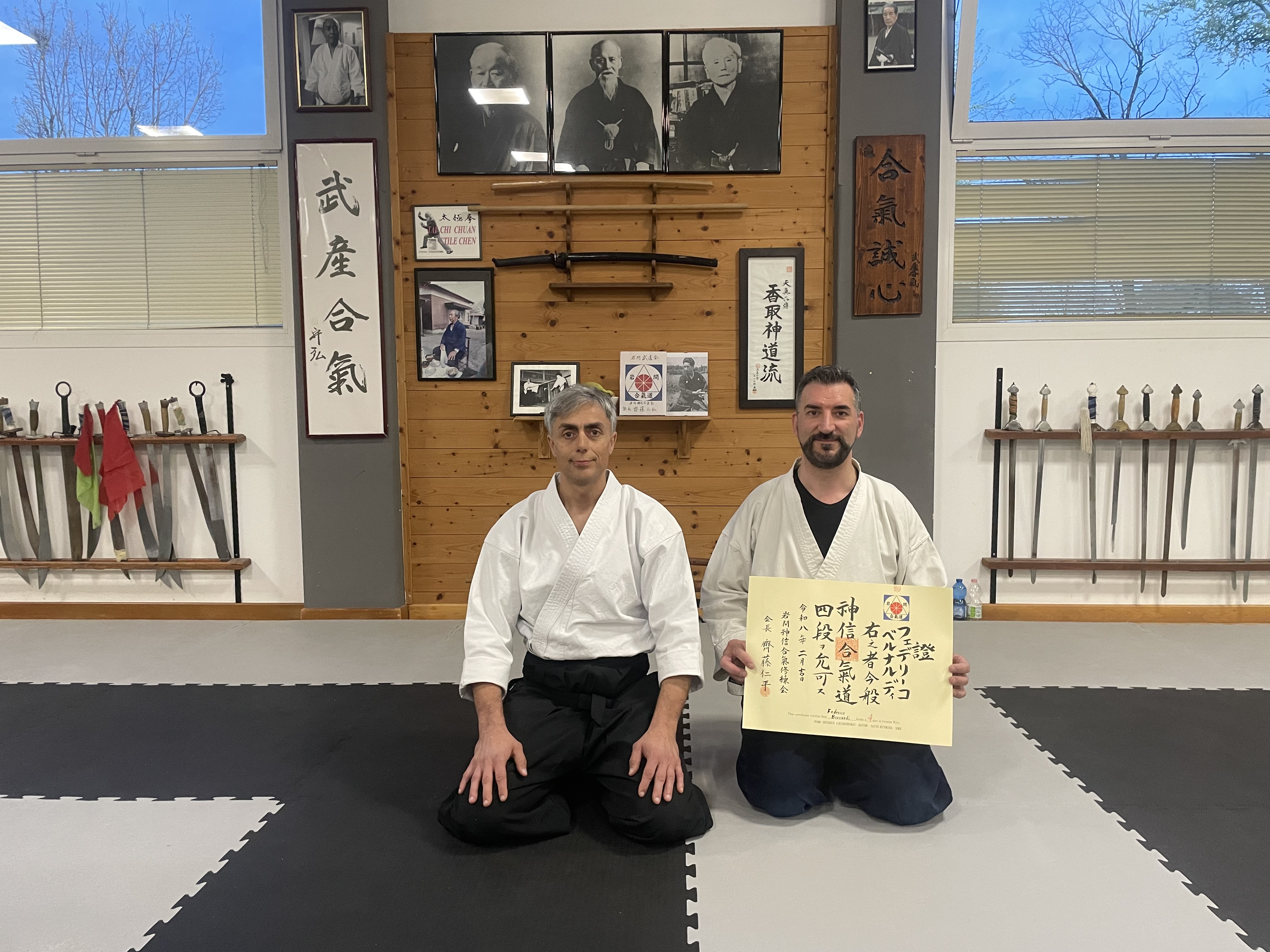
At the end of Saturday’s training and study sessions, a brief ceremony was held for the awarding—on behalf of Saito Hitohira Jukucho—of the ISSASK 4th dan diploma to Federico Bernardi, who had passed the examination (the last one required for ISSASK ranks obtained through a technical program) during the interregional seminar held in Colorno (Italy) last December.
Alongside the koshukai itself, the usual moments of sharing and conviviality took place, including the Saturday evening gathering at the “Ai Feudi” agriturismo in Gradisca (Italy), an excellent example of the promotion and enhancement of local food and wine traditions.
Di Carlo Sensei also had the opportunity to briefly and privately visit the Shobukan Dōjō Trieste and to spend some pleasant time with the dojo’s caretaker Paolo Bertocchi, friend and former long-time vice president of Iwama Budo Kai a.s.d.
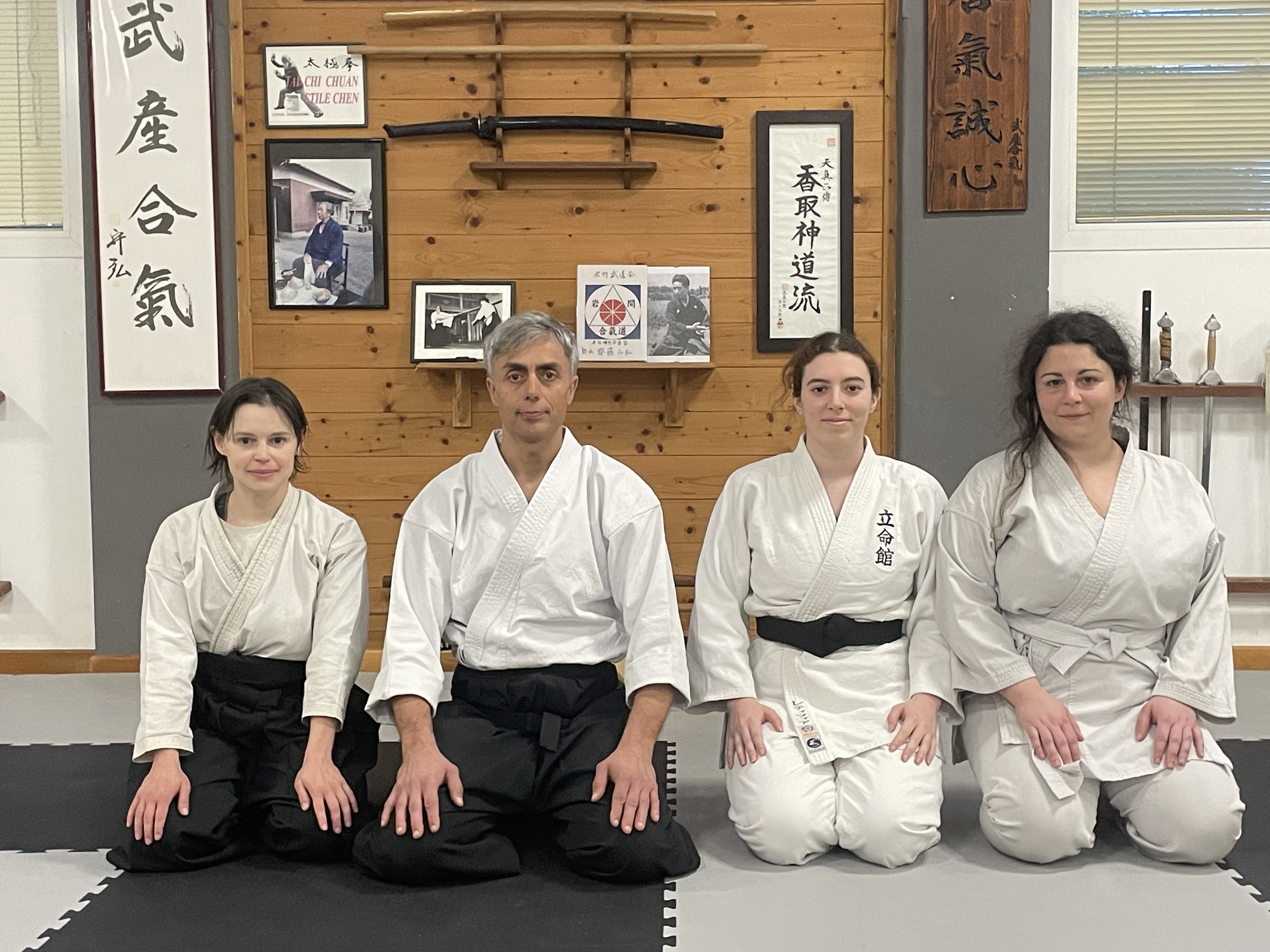
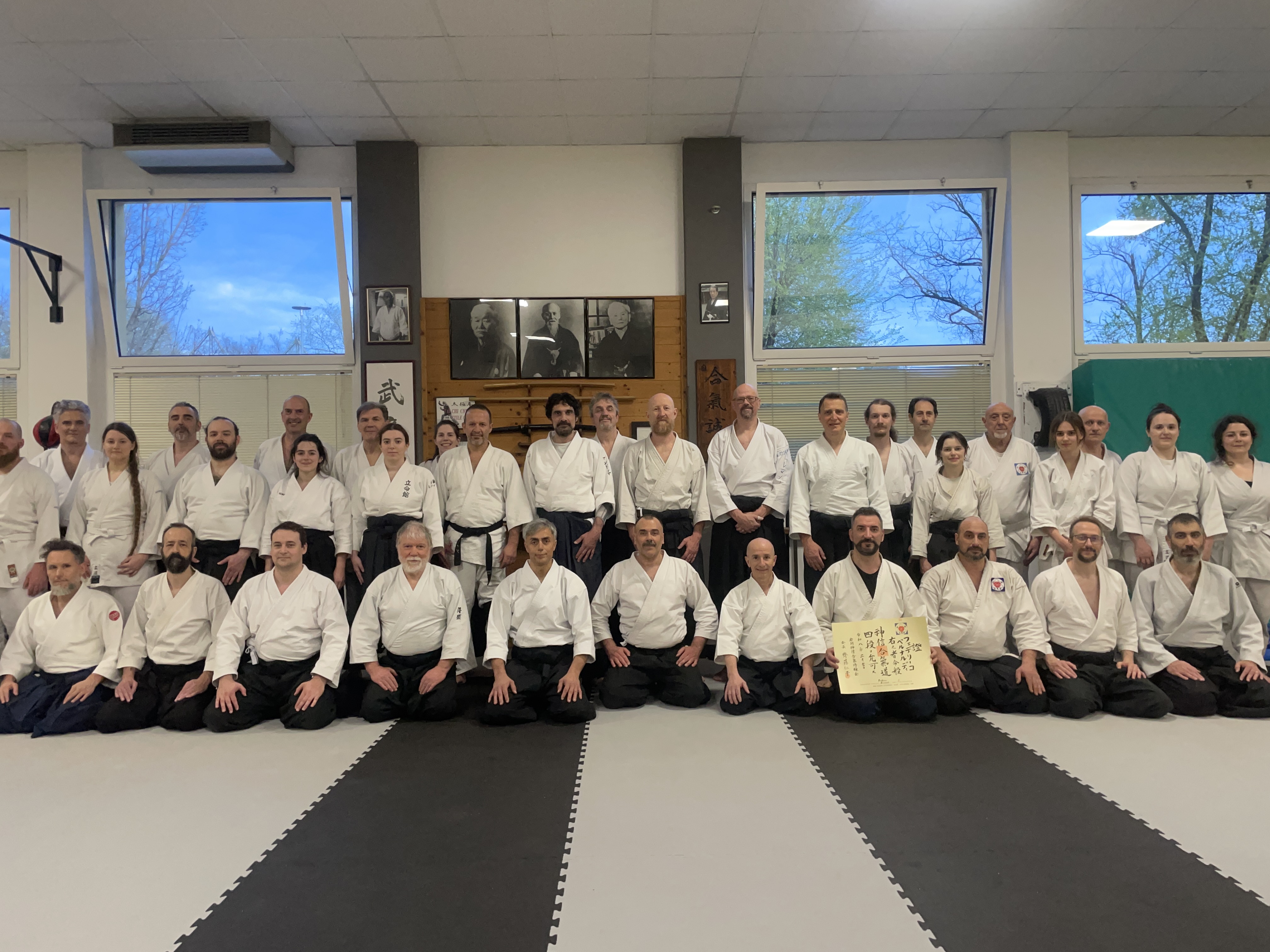
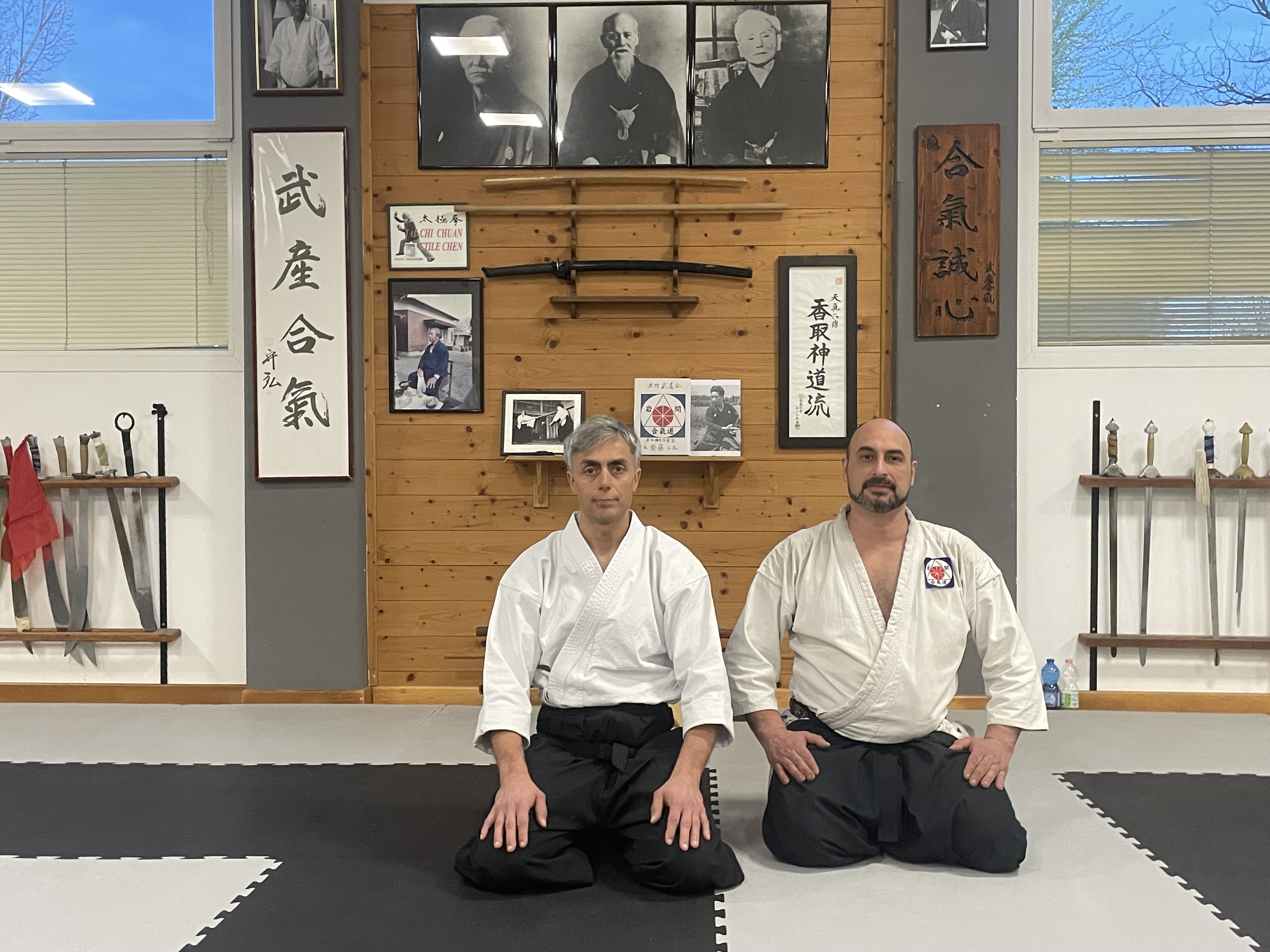
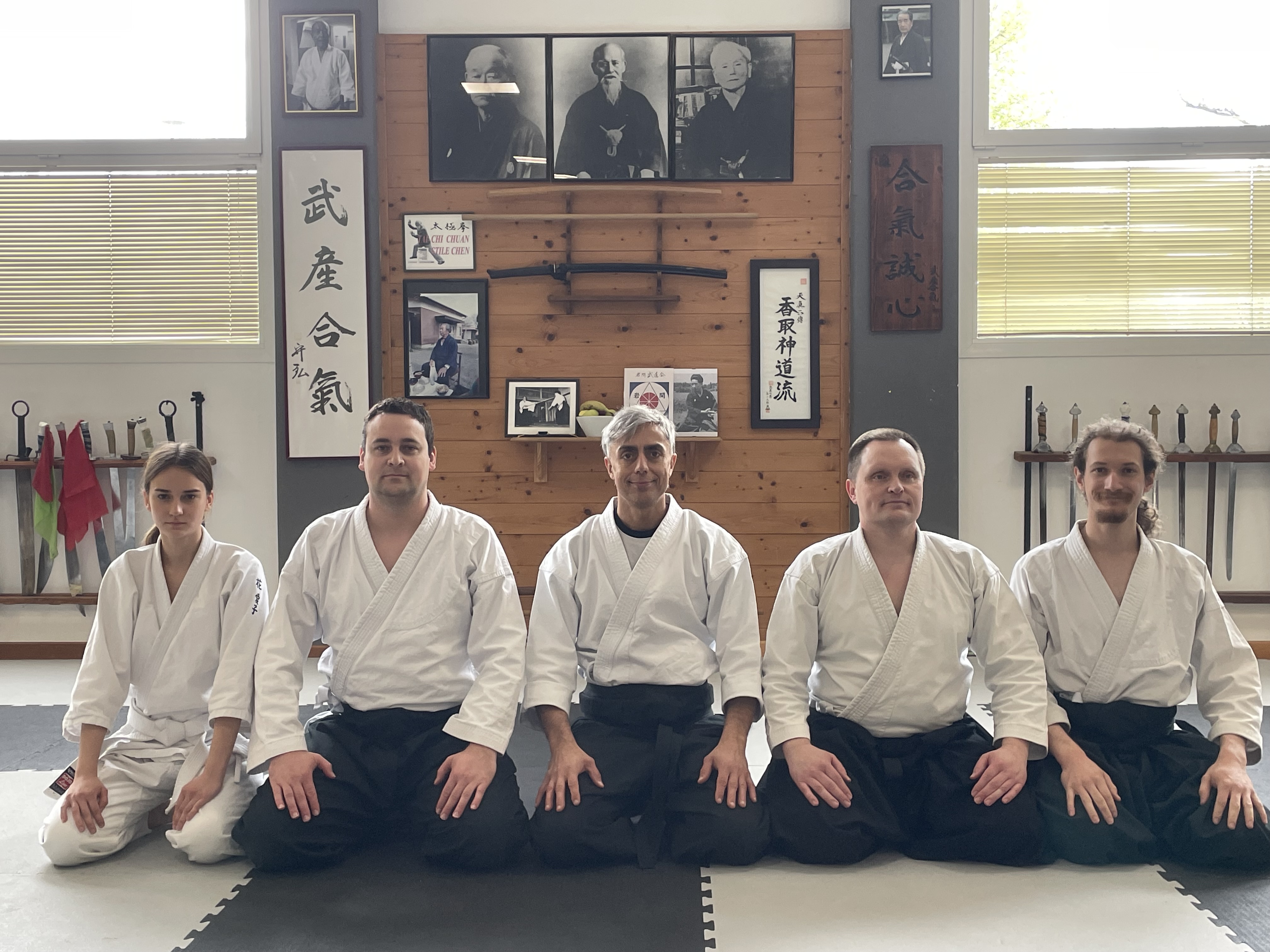
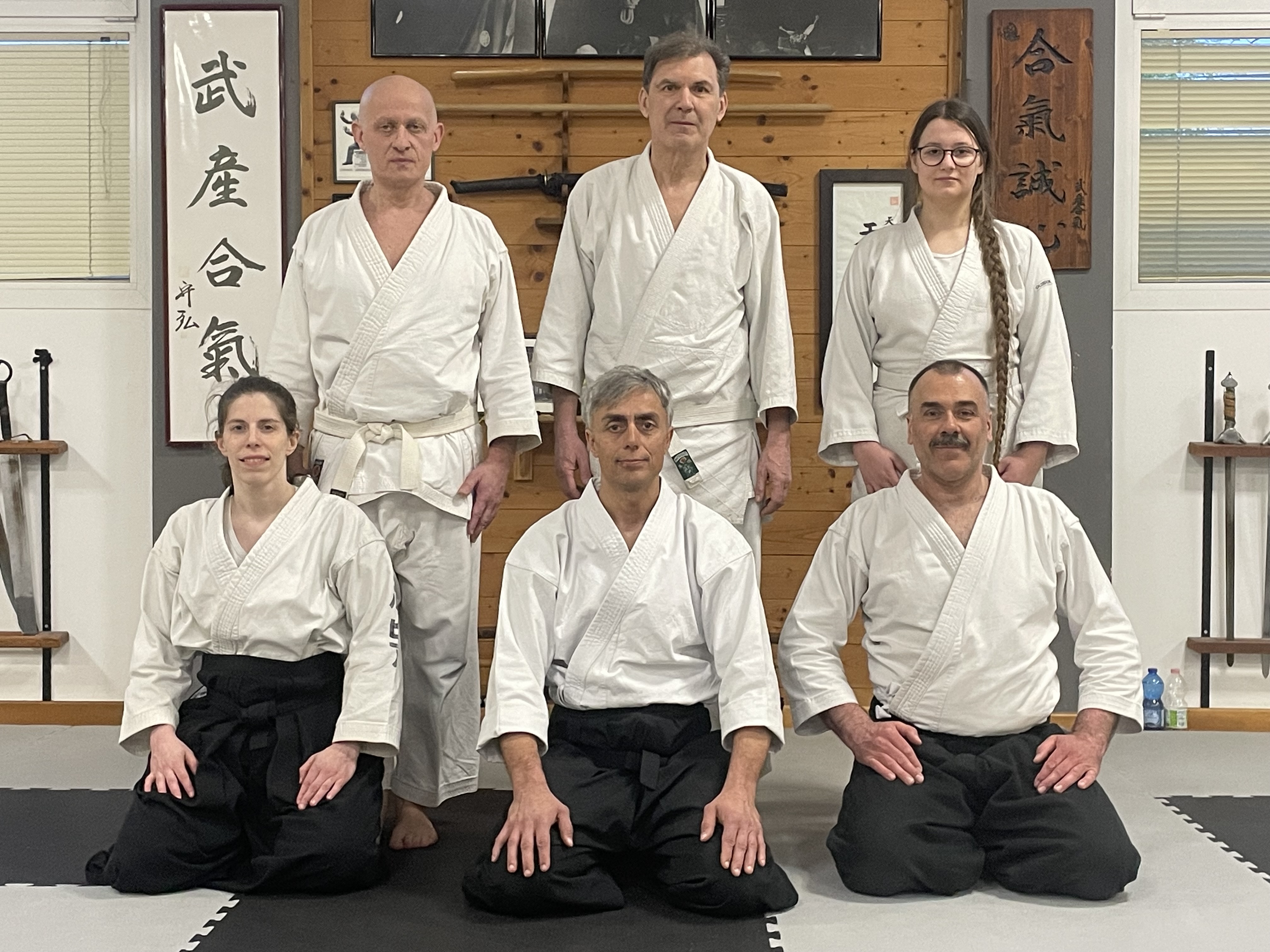
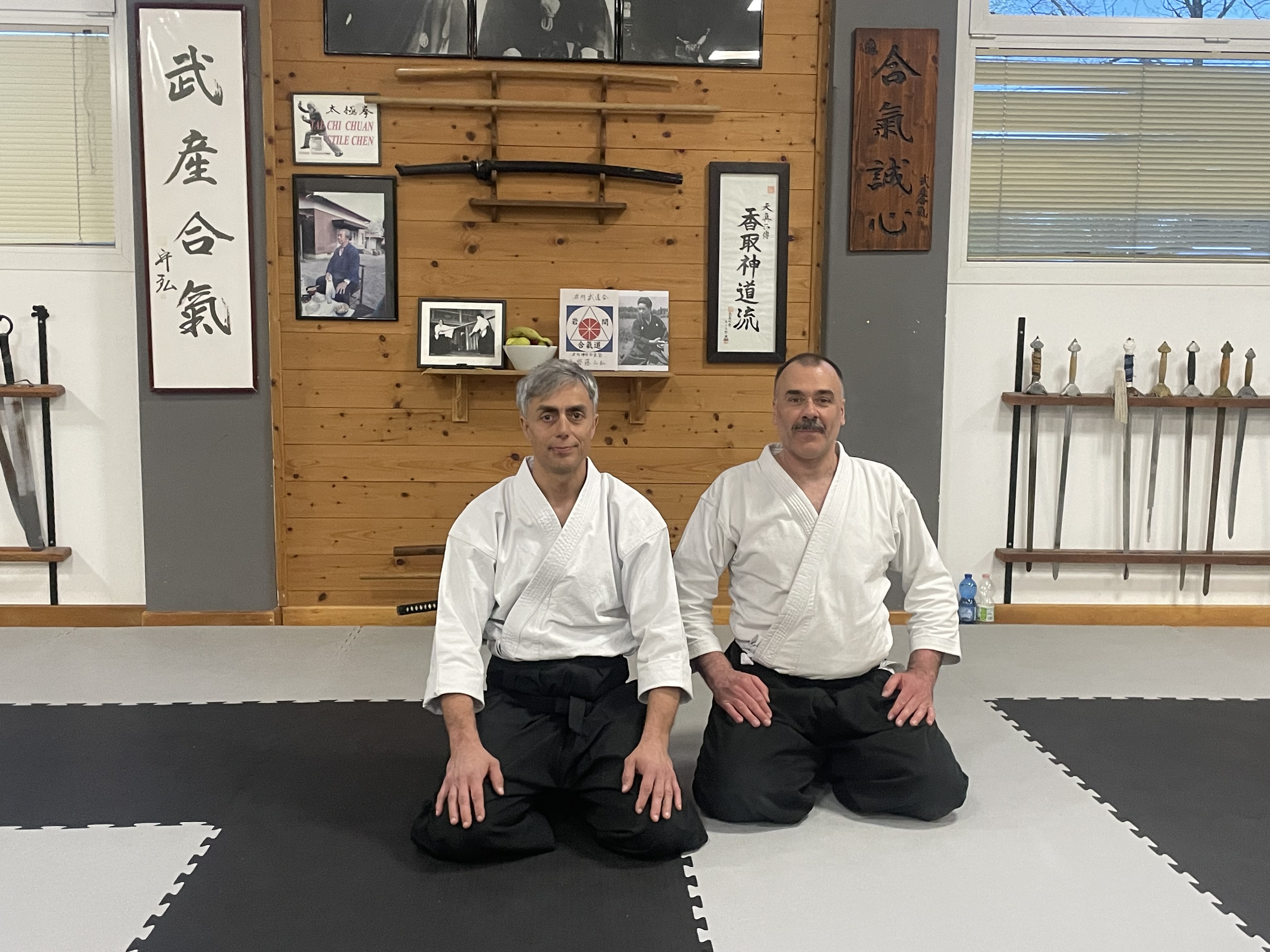
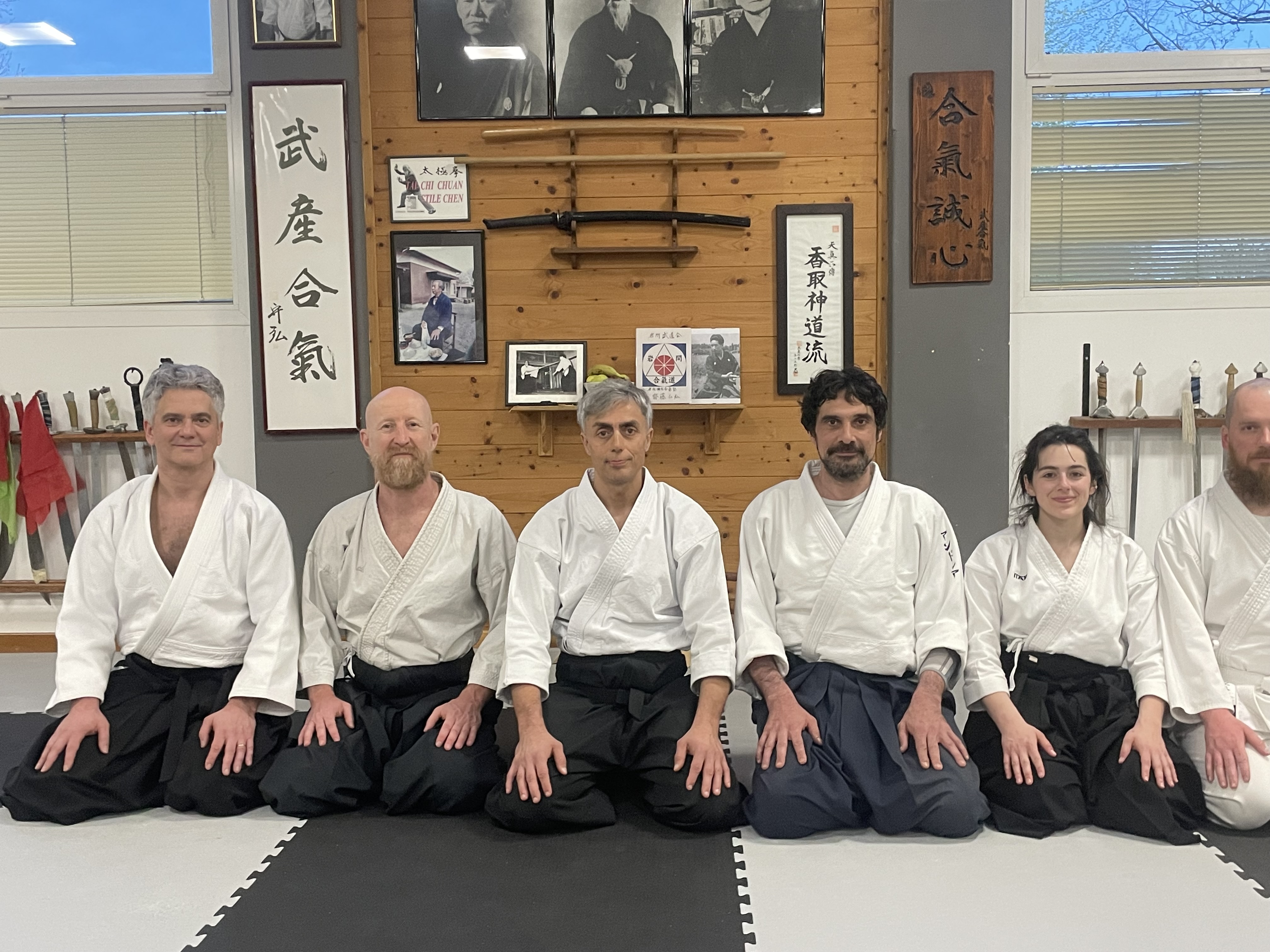
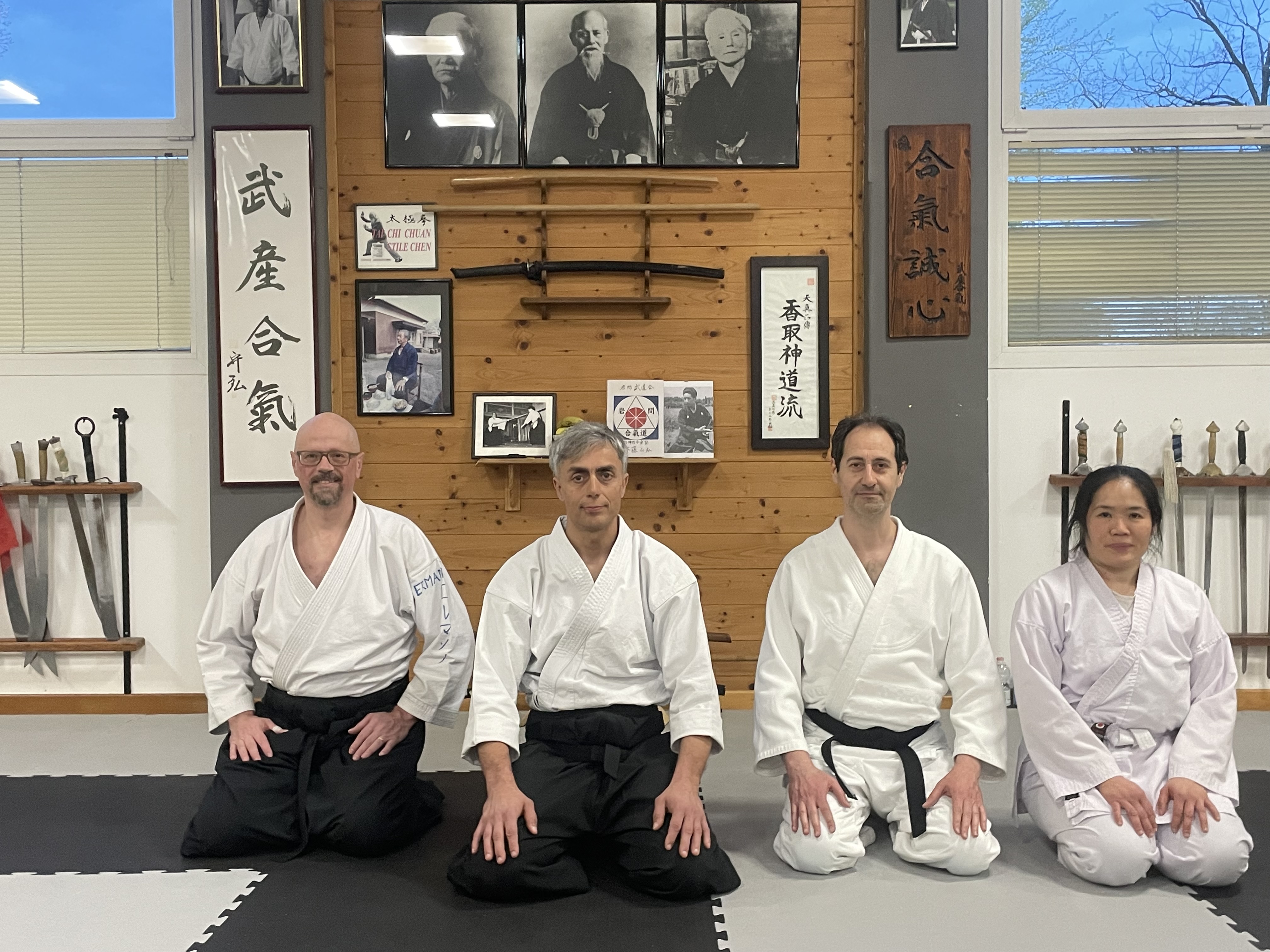
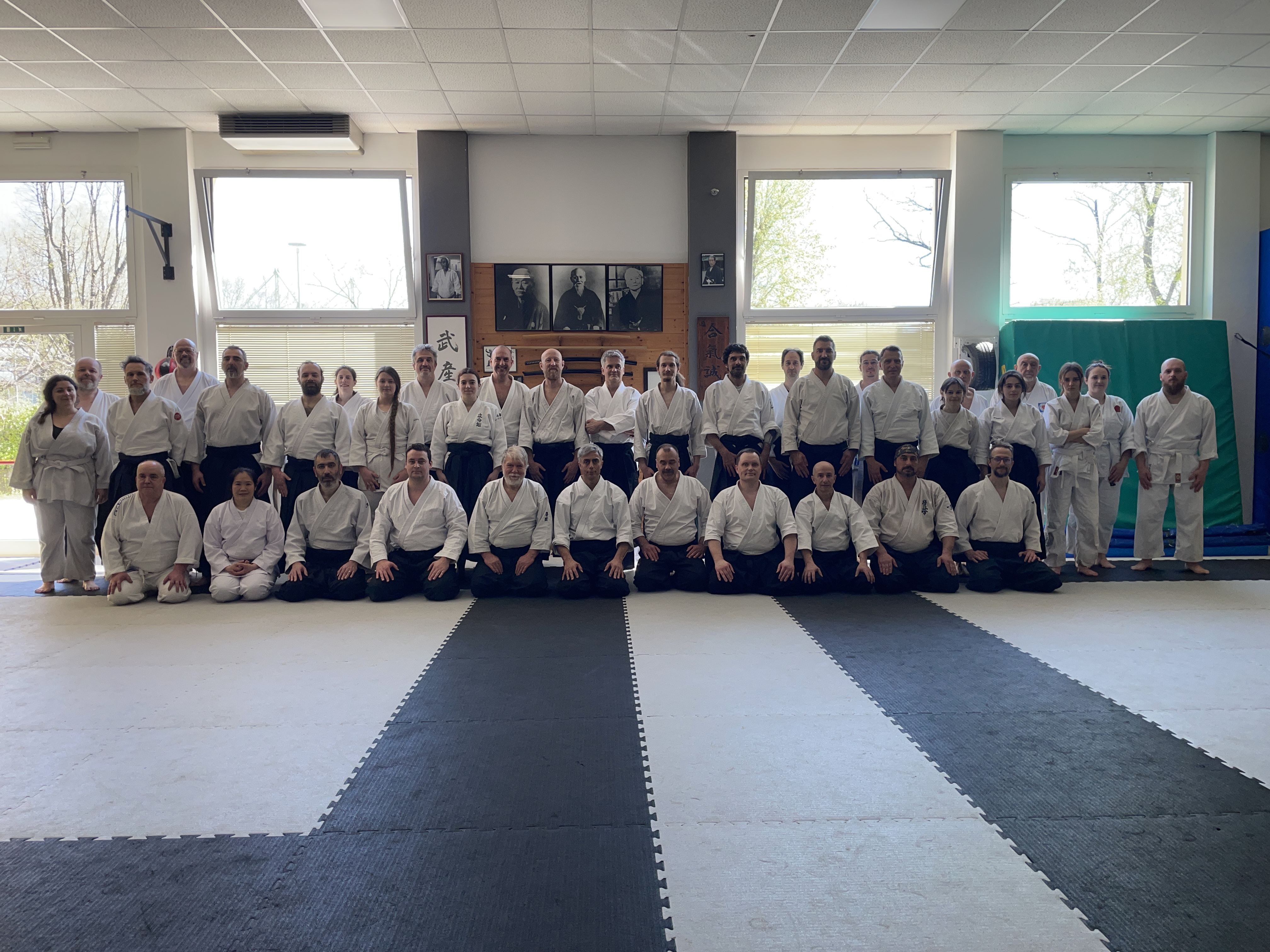
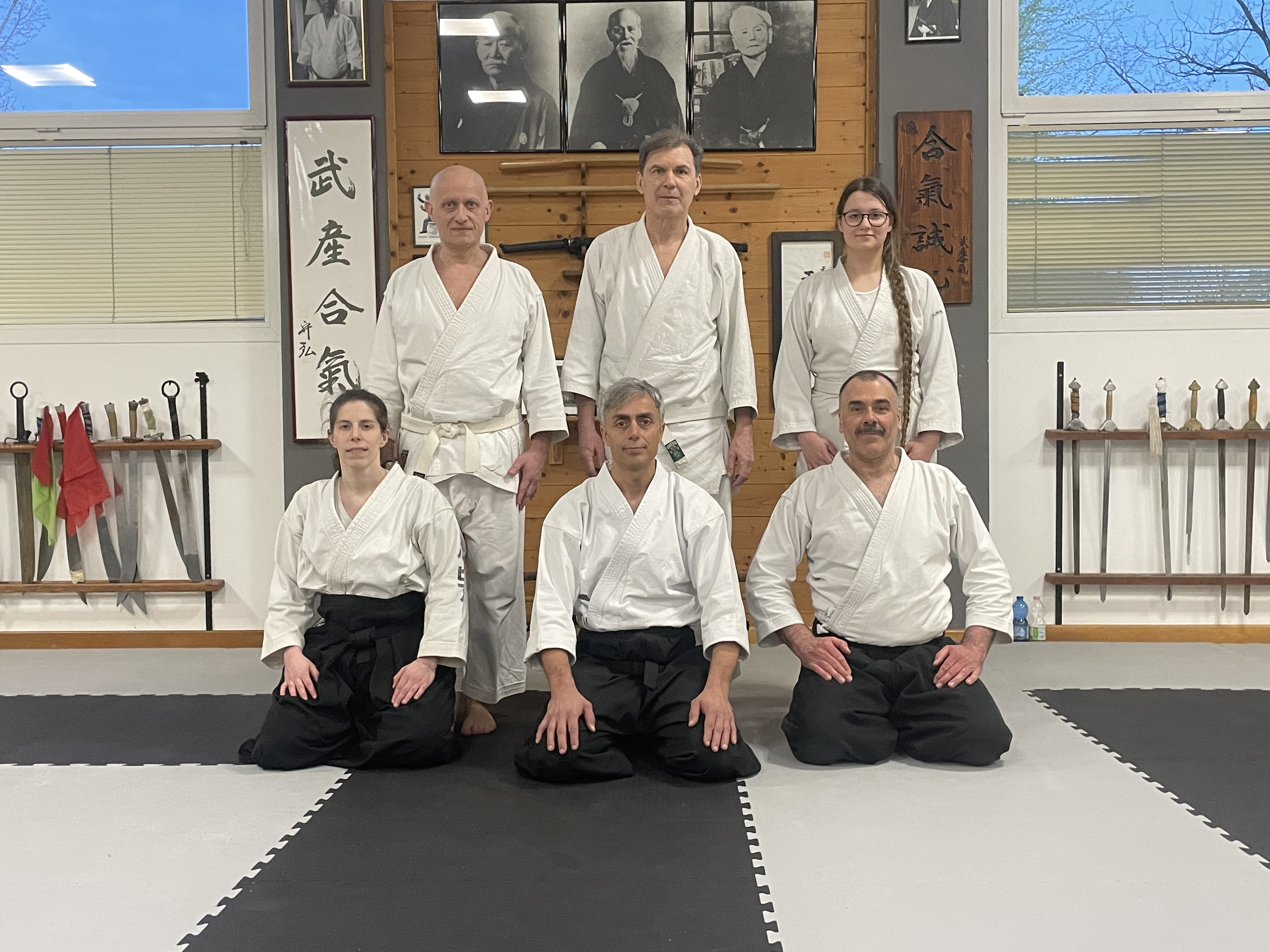
The seminar concluded with great satisfaction among all participants; next appointments on May 23–24, when Volker Hochwald Shihan will lead a Traditional Iwama Aikido koshukai in Trieste–Ronchi dei Legionari Italy), and then on June 26–28 in Buchloe (Germany) for the Shihan Double Feature Seminar, led by Shihan Volker Hochwald and Stefano Di Carlo.

